
Research Progress
-
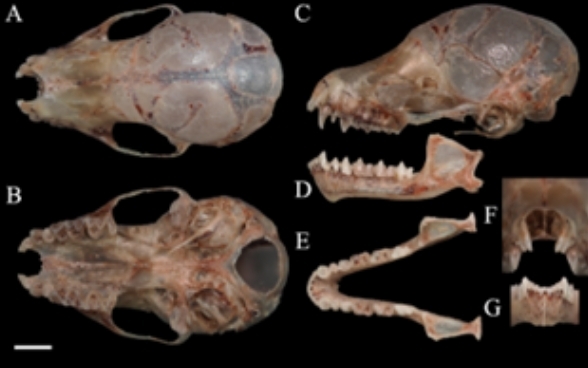 New Murina Species and First National Record from China Discovered in YunnanThe discovery of the new species and the new national record enriches Chinas Murina species inventory, provides key evidence for understanding Murina dispersal routes and biogeographic patterns between Southeast Asia and southwestern China.Jul 03, 2026
 -
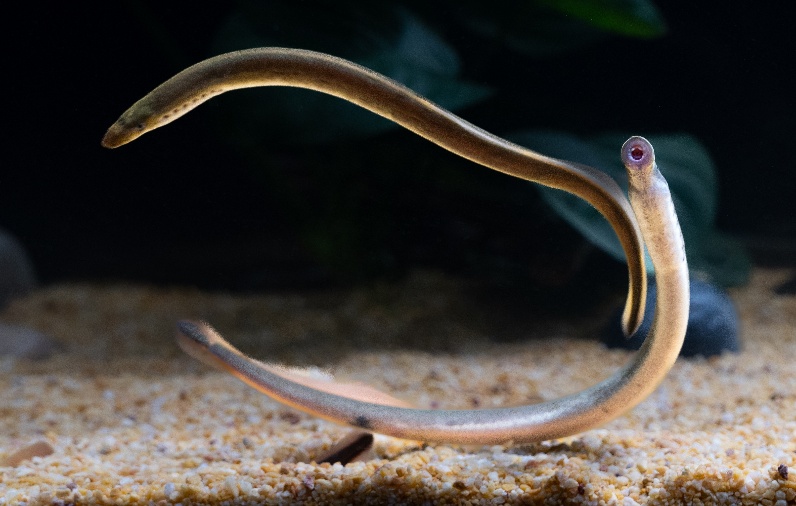 Brains Before Jaws: A “Living Fossil” Maps 500 Million Years of Brain Evolution:A whole-brain 3D cell atlas of the lamprey reveals the ancient blueprint of the vertebrate brain — and hints at the origins of our ownThe lamprey occupies a pivotal position for elucidating vertebrate brain evolution. Using spatial transcriptomics and single-nucleus RNA sequencing, we generated a three-dimensional molecular atlas of the lamprey brain, identifying 209 distinct cell clusters across 14 regions. Cross-species comparisons revealed broad conservation of regional spatial architecture, defining an ancestral organizational blueprint. Within this conserved framework, however, marked lineage-specific divergence emerged. We observed extensive neuronal specialization across vertebrate lineages, accompanied by regulatory shifts associated with spatial reorganization and functional diversification of neuronal populations. Additionally, our results suggest that a cerebellum-like architecture predates the jawed vertebrate cerebellum. Together, these findings identified constraints on neural organization and detected cellular innovations driving evolutionary diversification.Jun 22, 2026
 -
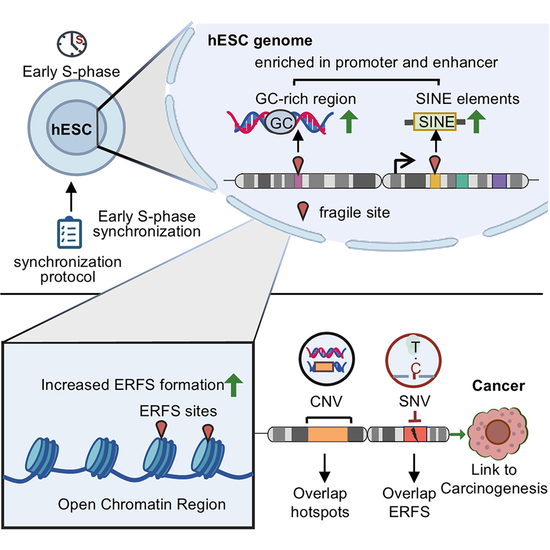 Fragile by Birth: First High-Resolution ERFS Map Reveals Why Human Stem Cells Break at Specific SpotsLong-term culture of human embryonic stem cells (hESCs) often induces chromosomal abnormalities, which limits their clinical use. However, the underlying mechanisms are unclear. Early replication fragile sites (ERFSs) are genomic loci susceptible to breakage in early S-phase and serve as hotspots for chromosomal rearrangements, with established links to carcinogenesis. To map ERFSs in hESCs, we established the early S-phase synchronization protocols and identified ERFSs. These ERFSs are enriched in GC content and short interspersed nuclear elements (SINEs) and are frequently located in promoters or enhancers of genes involved in pluripotency, proliferation, and genomic stability. ERFSs also overlap with regions associated with copy number variants (CNVs) and single nucleotide variants (SNVs) linked to cancers. Furthermore, we found that chromatin accessibility contributes to ERFS formation. Collectively, these findings provide a key resource for advancing ERFS research, offering insights into the phenotypic and genomic alterations observed in long-term hESC cultures.Jun 18, 2026
 -
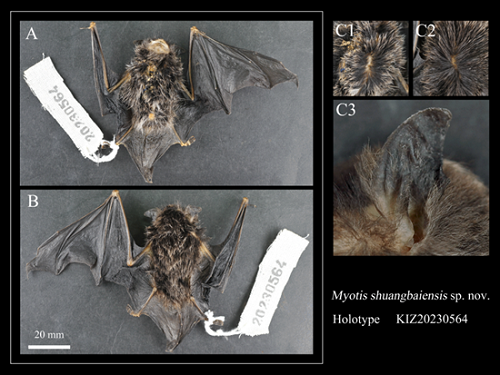 Two New Bat Species Discovered in Southwest ChinaThis discovery enriches Chinas bat species recordsand provides critical insights into the biogeographic patterns and evolutionary history of bats in Southwest China—a recognized global biodiversity hotspot.Jun 04, 2026
 -
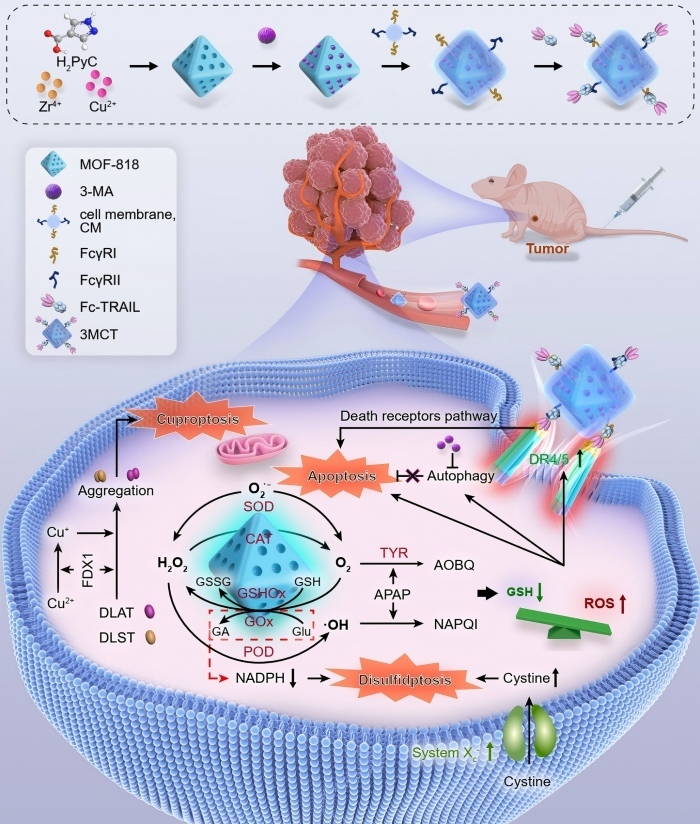 Multi-Enzyme Nanoplatform Offers New Hope for Precision Cancer TherapyText-decoration:underline}A collaborative research team led by CAS Member Zhang Yaping at KIZ has developed an innovative multi-enzyme-mimicking nanoplatformcapable of inducing multiple programmed cell death pathways simultaneously for enhanced tumor treatment.Jun 02, 2026
 -
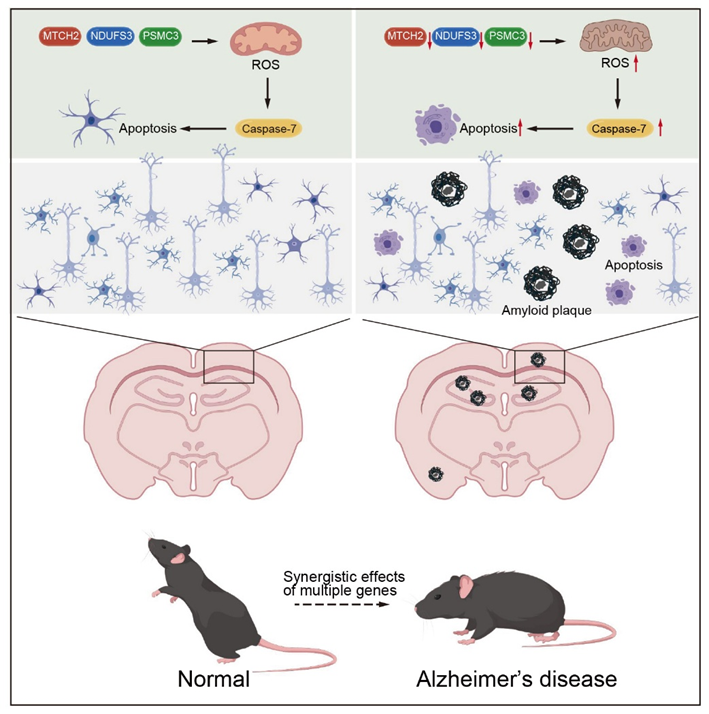 Multi-Gene Synergy Drives Alzheimer's Disease PathologyShow concurrent downregulation in AD patients and mouse models-Multi-gene knockdown synergistically disrupts mitochondrial complex I function and activates caspase-7-mediated apoptosis-Treatment with apoptosis inhibitor Q-VD-OPh reduced A β plaque burden and improved learning/memory in APP/PS1 miceClinical Implications:This research provides a new paradigm for understanding complex genetic networks in AD and identifies caspase-7-mediated apoptosis as a potential therapeutic target for multi-gene network-based combination therapies.Jun 01, 2026
 -
 Comprehensive Biodiversity Series Documents Gaoligong Mountains' Ecological TreasuresWith 60+species having type localities in Gaoligong Mountains-Insects:500 common agricultural/forestry speciesScientific Value:This landmark publication synthesizes decades of systematic research since the 1950s and provides critical scientific support for establishing Gaoligong Mountains National Park.May 22, 2026
 -
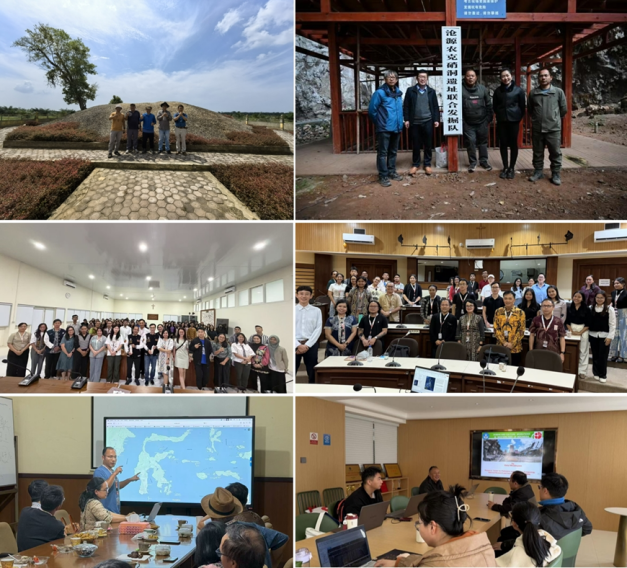 Ancient DNA Reveals Population History Across Wallace's LineResearch Breakthrough:-Obtained ancient genomesfrom Loyang Mendale cave in North Sumatra-Two-stage model proposed:Early Holocene deep divergence followed by multiple migrations during Neolithic expansion-Wallaces Line served as a long-term barrier not only for flora/fauna but also for human populationsKey Findings:-Western Indonesian populations show closer affinity to Mainland Southeast Asian hunter-gatherers-Eastern populations share more genetic connections with Papuan-related groups-Austronesian expansion introduced East Asian ancestry and agricultural practices but did not erase pre-existing regional differencesGlobal Significance:This research provides crucial evidence for understanding Austronesian origins.May 18, 2026
 -
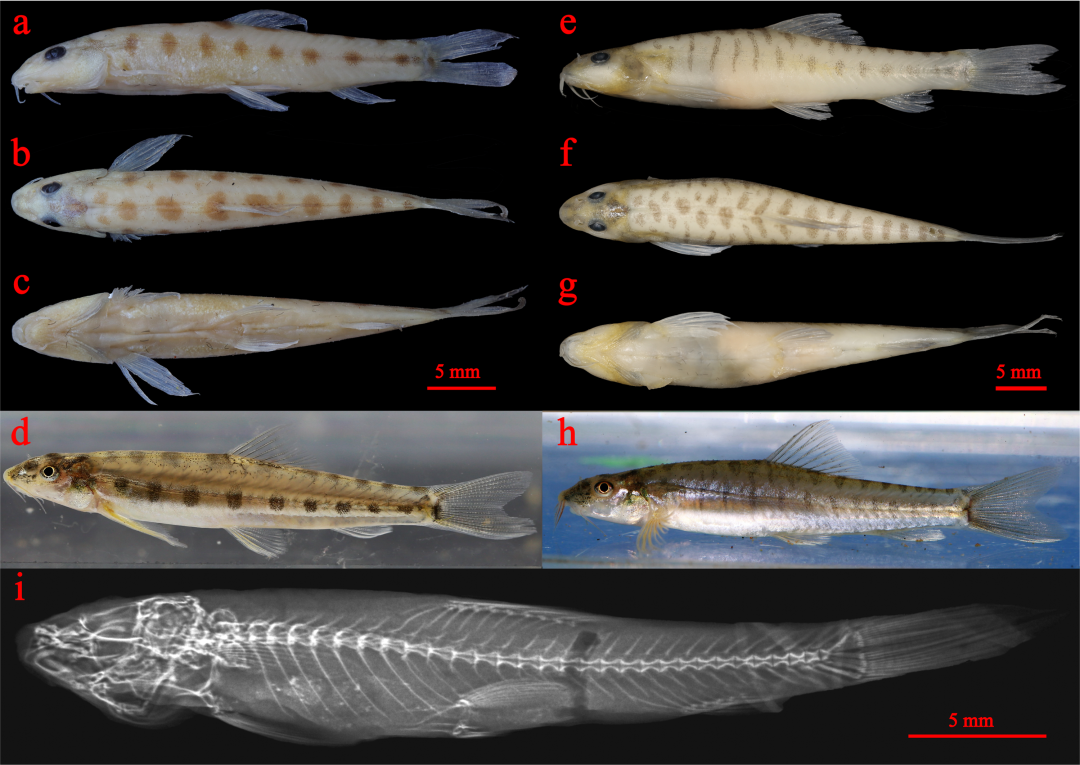 A New Species of Mustura Discovered from the Chindwin–Irrawaddy River Basin, MyanmarThe Project of Financial Funds of the Ministry of Agriculture and Rural Affairs:Investigation of Fishery Resources and Habitat in the Pearl River Basin.Jan 13, 2026
 -
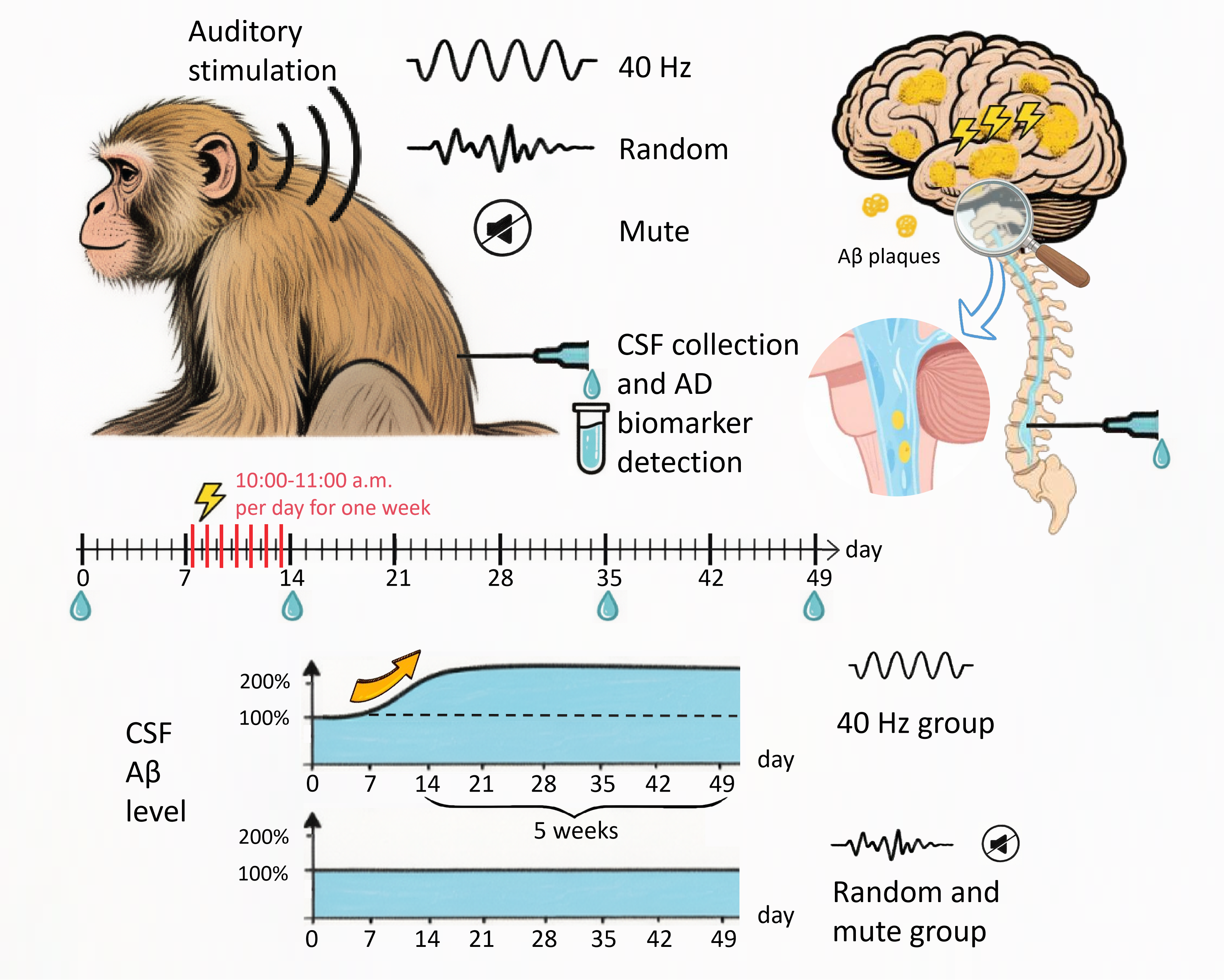
40-Hz Auditory Stimulation Shows Long-Term Efficacy in Aged Monkeys, Offering Potential for Non-Invasive Alzheimer’s Therapy
A research team from the Kunming Institute of Zoologyof the Chinese Academy of Sciences has demonstrated for the first time in non-human primates that auditory stimulation at 40 Hz significantly elevates β-amyloid levels in the cerebrospinal fluidof aged rhesus monkeys.Jan 06, 2026