
Research Progress
-
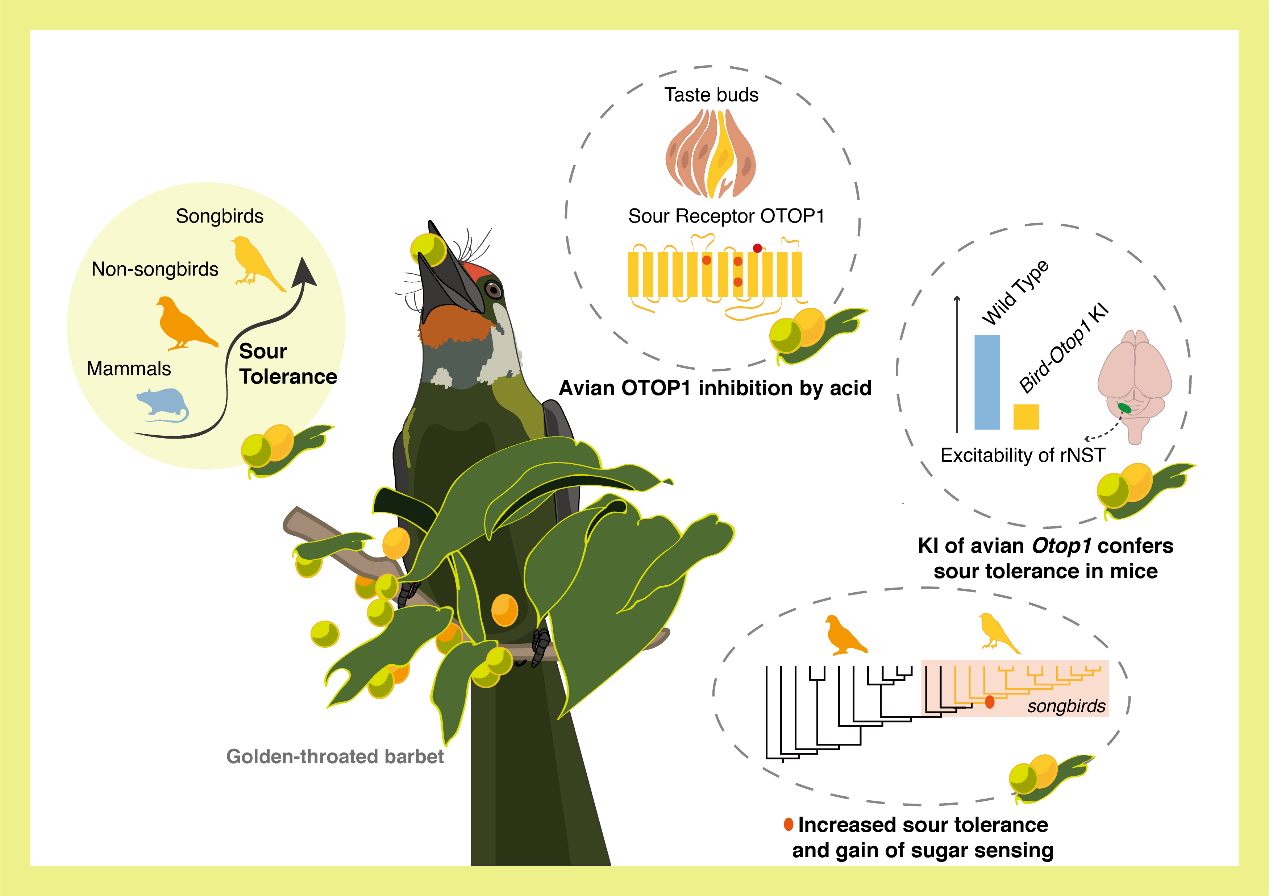 Researchers make progress in the evolution of sour taste perception in birdsA new study published in Science has revealed that birds achieve sour tolerance through the adaptive evolution of the sour taste receptor. The research led by Professor LAI Ren from the Kunming Institute of Zoology, Chinese Academy of Sciences, in collaboration with Professor Maud W. Baldwin from the Max Planck Institute of Biological Intelligence in Germany, has illuminated how bird species have acquired a strong tolerance to acidic foods through the evolutionary modification of sour taste receptor, a trait that may help them expand their ecological niche.Jun 20, 2025
 -
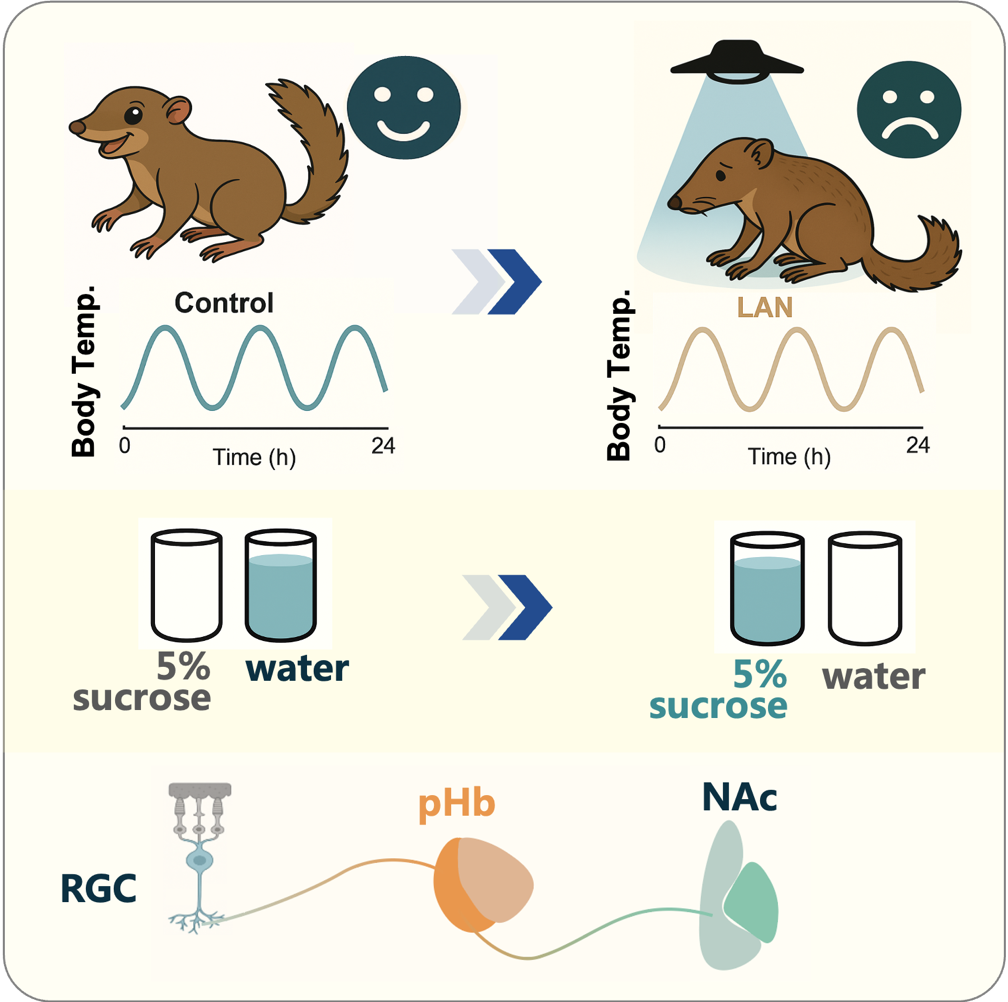 Study Finds Link Between Nighttime Light Exposure and Depression via Specific Brain Circuit in Tree ShrewsUsing diurnal animal model, tree shrews, we studied the effects of long-term light-at-night (LAN) exposure. We found it significantly impaired mood and memory without affecting activity. The perihabenular nucleus (pHb) was key in mediating these effects. Gene expression changes in the nucleus accumbens (NAc) suggested lasting impacts. Collectively, we present behavioral and neural structural evidence that LAN exert depression-inducing effects in diurnal animals via a pHb-related visual pathway, which may facilitate the translation from laboratory findings of excessive LAN exposure to clinical applications in humans.Jun 17, 2025
 -
 Across China: Spiders in the spotlight as new species named after pop songsChinese pop singer Jay Chou is renowned for his musical versatility, with his songs bringing to mind romance, nostalgia and the charm of traditional culture. However, when his fans listen to his songs these days, they might bring something new to mind: spiders. A recent scientific paper, featured on an international academic journal, has thrilled music lovers in China by naming 16 newly discovered spiders after iconic songs by the 45-year-old pop star.Jan 08, 2025
 -
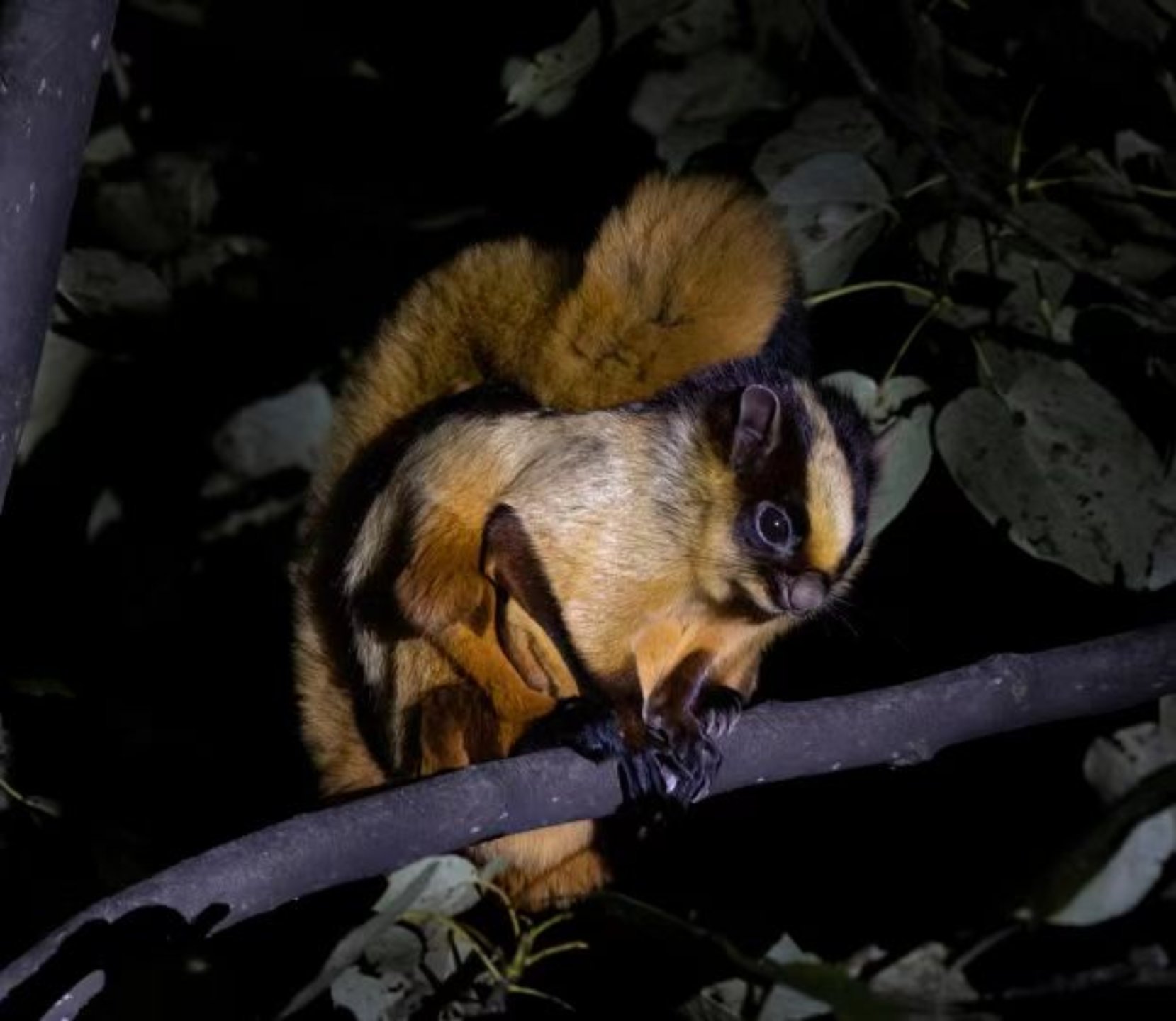 Petaurista nobilis and Priapomys leonardi have been found in China's Xizang autonomous regionThese findings expand the known ranges of these species and underscore the importance of continued surveys and monitoring in the Himalayan region to discover more unique wildlife.Oct 30, 2024
 -
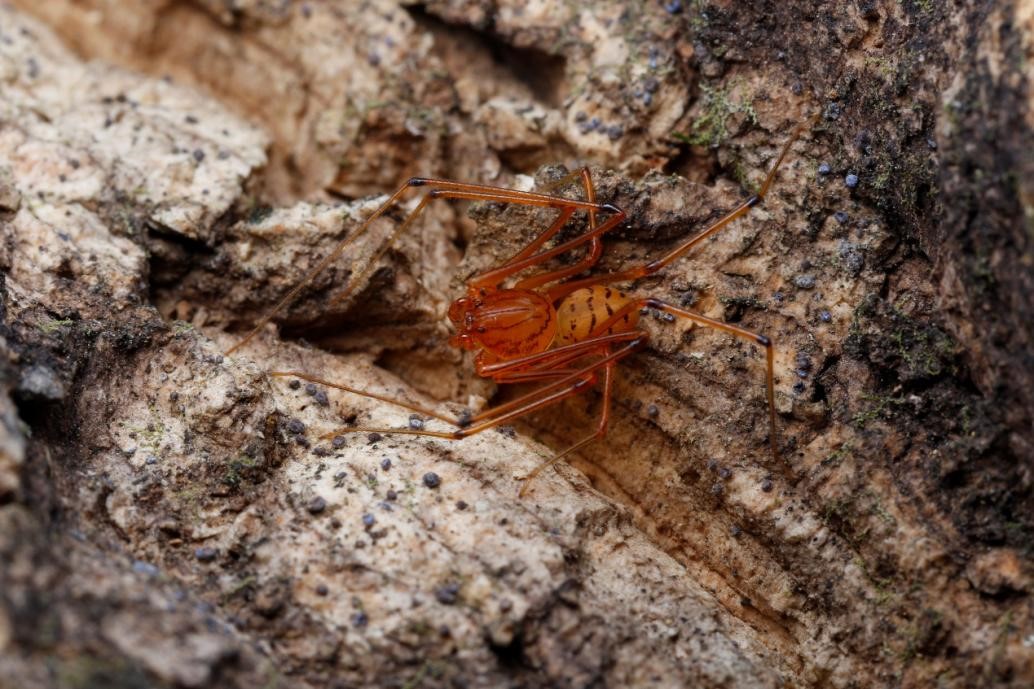 Indian Monsoon Facilitates Long-distance Dispersal of Spitting SpidersWe examined the global biogeography of the Scytodes thoracica group of spitting spiders based on 23 years of sampling at the species level (61 species in the thoracica group and 84 species of Scytodes) using DNA data from six loci. Our results indicated that the thoracica group initially dispersed from Southeast Asia to East Africa between 46.5 and 33.0 million years ago, and dispersal events intensified between Southeast/South Asia and East/South Africa from the early to late Miocene. The timing of these events indicates that Asian-African faunal exchange of the thoracica group was driven by the Indian monsoon, and the pattern of dispersal suggests that colonialization took root when the Indian monsoon shifted from a North-South direction to an East-West direction from the middle Eocene.Jan 17, 2024
 -
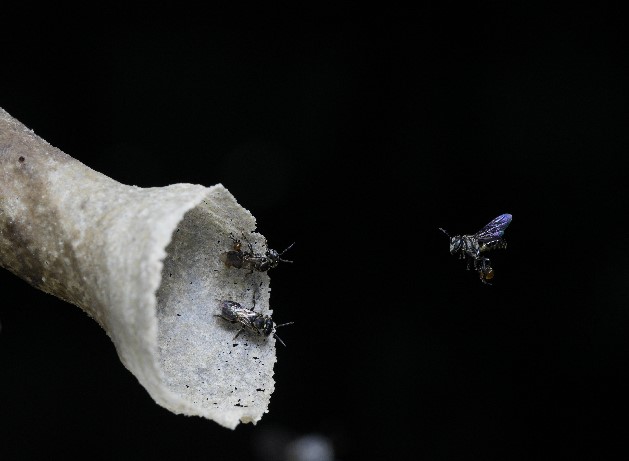 Scientists Discover New Mitogenome Structures in the MeliponiniThe insect mitogenome is typically a compact circular molecule with highly conserved gene contents. Nonetheless, mitogenome structural variations have been reported in specific taxa, and gene rearrangements, usually the tRNAs, occur in different lineages. Because synapomorphies of mitogenome organizations can provide information for phylogenetic inferences, comparative analyses of mitogenomes have been given increasing attention. However, most studies use a very few species to represent the whole genus, tribe, family, or even order, overlooking potential variations at lower taxonomic levels, which might lead to some incorrect inferences.Jan 05, 2024
 -
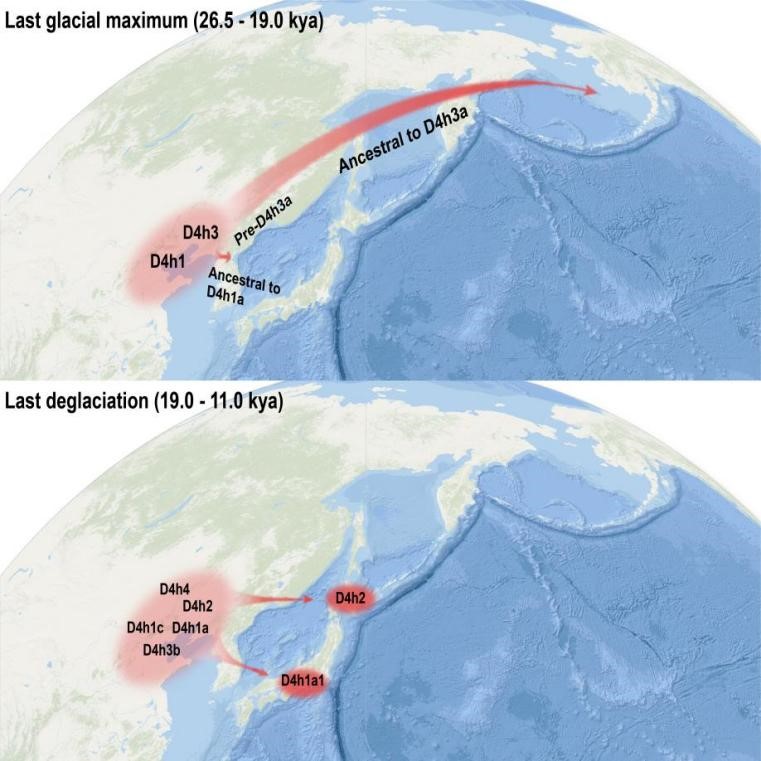 Mitogenome evidence disclosed Ice Age Human migrations from northern coastal China to the Americas and JapanMitogenome evidence disclosed Ice Age Human migrations from northern coastal China to the Americas and JapanMay 22, 2023
 -
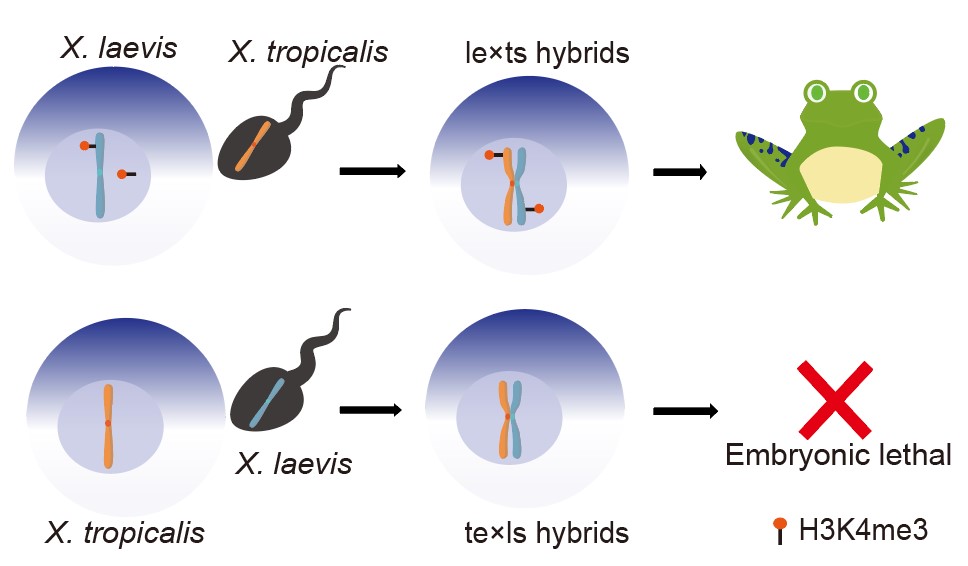 Researchers Reveal H3K4me3 Regulates the Inviability of Interspecific Xenopus HybridsIncreasing evidence suggests that interspecific hybridization is crucial to speciation. However, chromatin incompatibility during interspecific hybridization often renders this process. Genomic imbalances such as chromosomal DNA loss and rearrangements leading to infertility have been commonly noted in hybrids. The mechanism underlying reproductive isolation of interspecific hybridization remains elusive. Here, we identified that modification of maternally defined H3K4me3 in Xenopus laevis and Xenopus tropicalis hybrids determines the different fates of the two types of hybrids as te×ls with developmental arrest and viable le×ts. Transcriptomics highlighted that the P53 pathway was overactivated, and the Wnt signaling pathway was suppressed in te×ls hybrids. Moreover,Apr 24, 2023
 -
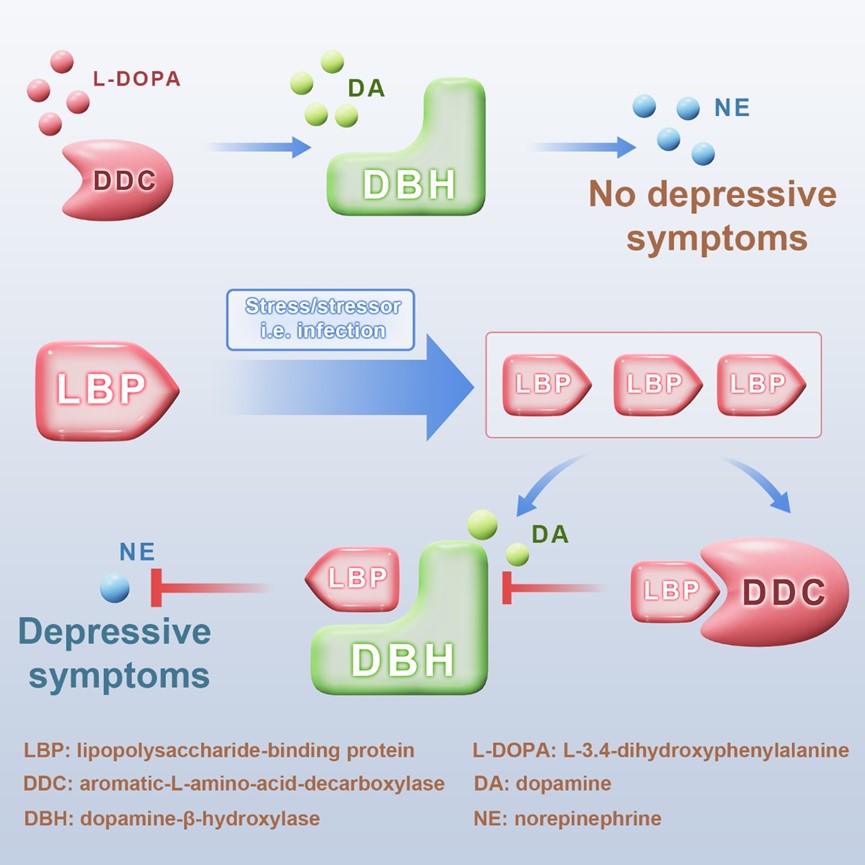 Immunity: Lai Ren's Team Reveals that Lipopolysaccharide/endotoxin-binding Protein is an Important factor in the inhibition of monoamine synthesis and the development of depressionContact:Dr. LAI Ren, Principal InvestigatorKunming Institute of Zoology, Chinese Academy of Sciences, Kunming, Yunnan 650201, Chinarlai@mail.kiz.ac.cn.Mar 03, 2023
 -
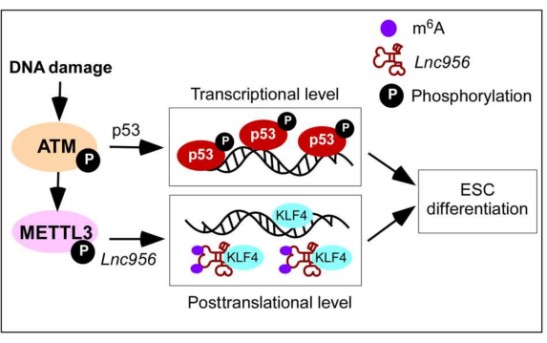 Researchers Uncover Novel p53-independent Quality Control Factor of Mouse Embryonic Stem Cells (ESCs)Maintaining genomic stability is crucial for embryonic stem cells (ESCs). ESCs with unrepaired DNA damage are eliminated through differentiation and apoptosis. To date, only tumor suppressor p53 is known to be implicated in this quality control process. Here, we identified a p53-independent quality control factor lncRNA NONMMUT028956 (Lnc956 for short) in mouse ESCs. Lnc956 is prevalently expressed in ESCs and regulates the differentiation of ESCs after DNA damage. Mechanistically, Ataxia telangiectasia mutated (ATM) activation drives m6A methylation of Lnc956, which promotes its interaction with Krüppel-like factor4 (KLF4). Lnc956-KLF4 association sequestrates the KLF4 protein and prevents KLF4’s transcriptional regulation on pluripotency.Jan 17, 2023