Research Progress
-
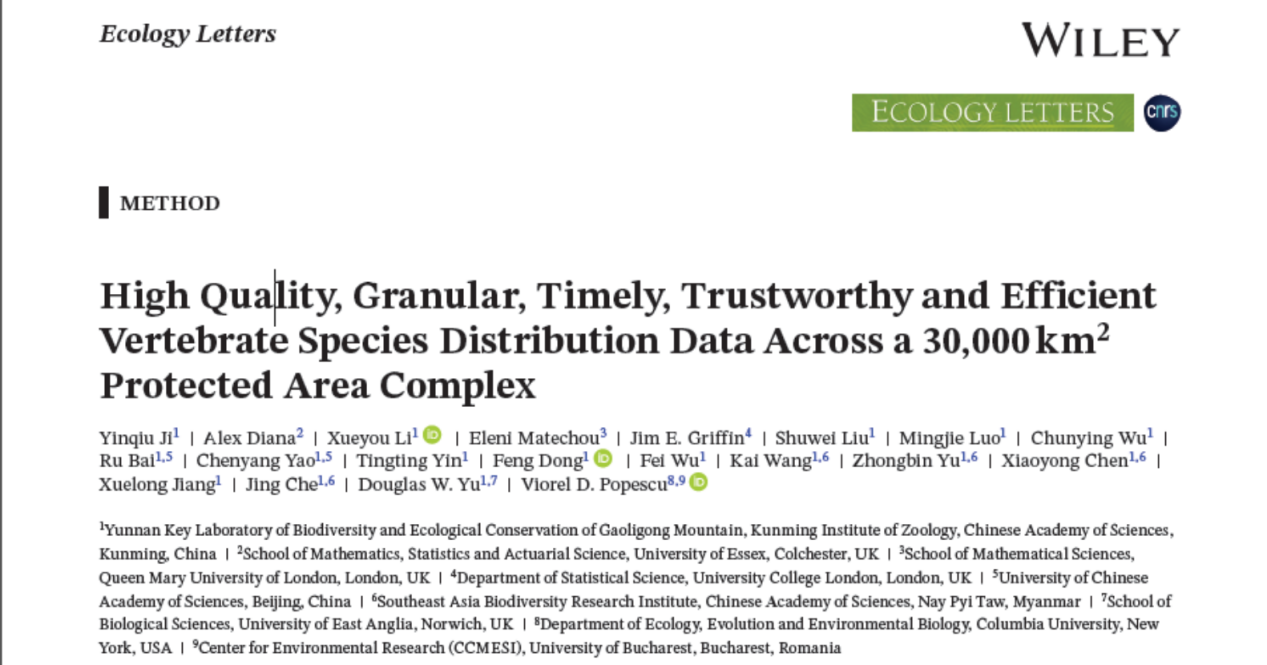 eDNA Breakthrough Enables Unprecedented Biodiversity Monitoring in Chinese MountainsA groundbreaking study led by Prof. Douglas W. Yu at the Kunming Institute of Zoology, Chinese Academy of Sciences, has ushered in a new era for biodiversity monitoring in complex mountain ecosystems.Jan 06, 2026
 -
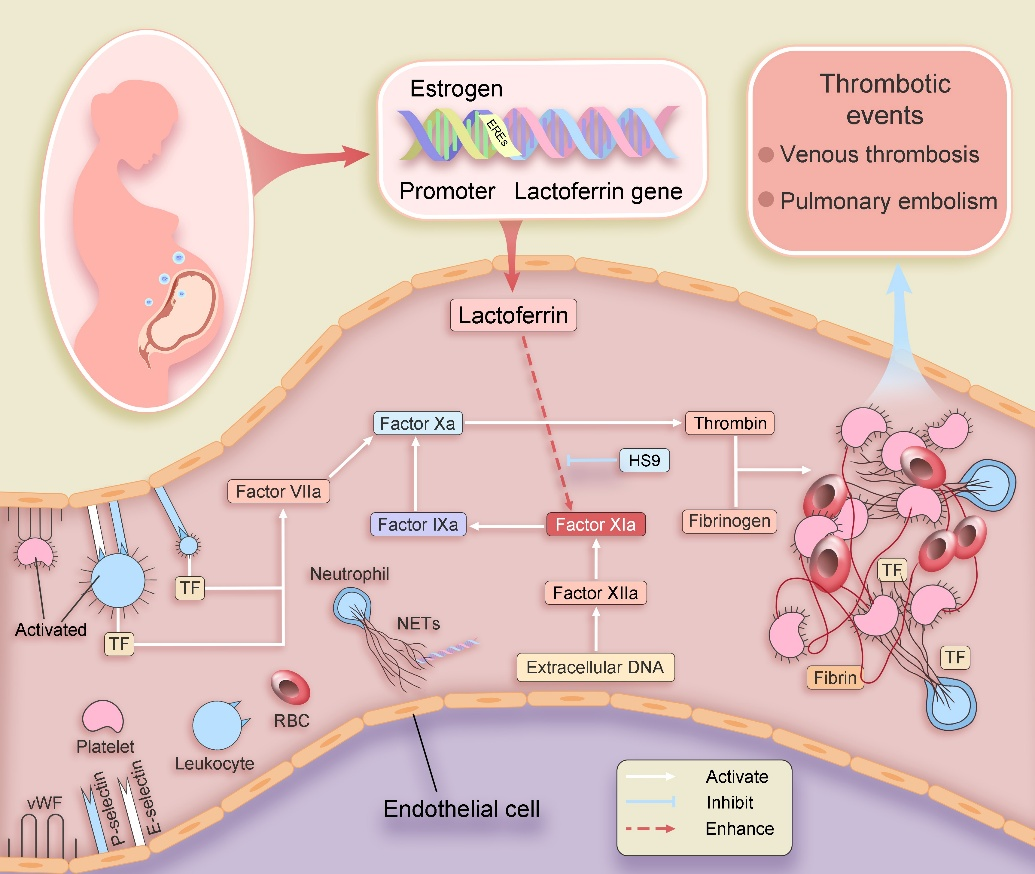 New Study Reveals the Mechanism of Lactoferrin-Mediated Regulation of Perinatal CoagulationA research team led by Prof. LAI Ren from the Kunming Institute of Zoology of the Chinese Academy of Sciences has found that estrogen significantly upregulates lactoferrin, which in turn enhances the activity of coagulation Factor XIa (FXIa), thereby promoting thrombin generation and thrombus formation. This study was recently published in Blood.Jan 06, 2026
 -
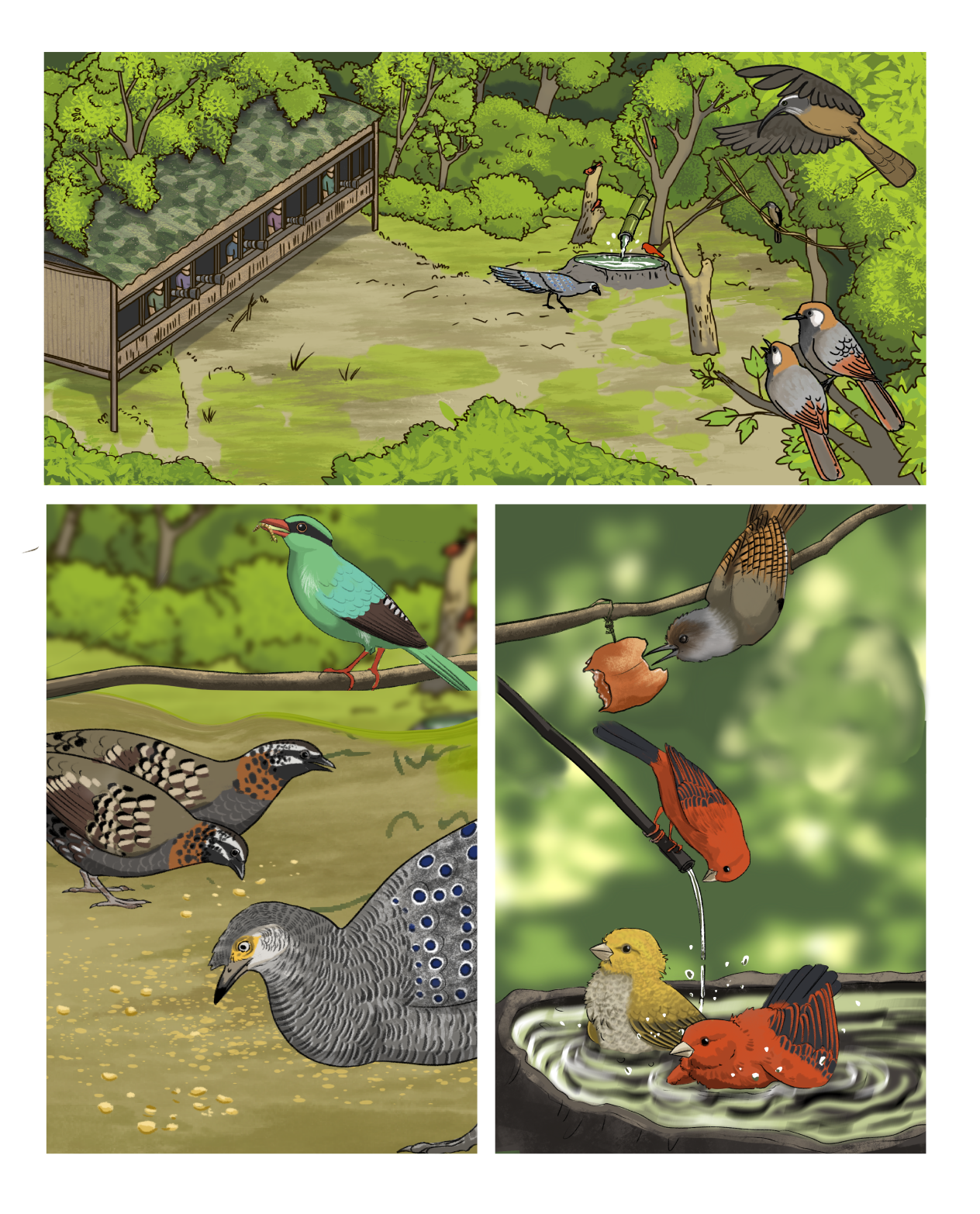 Bird-Friendly Tourism: A Conversation between Biodiversity Conservation and Rural DevelopmentA study published in Avian Research demonstrates that the Hide-in-Bird Pondmodel—a community-based grassroots avitourism initiative where local communities establish artificial ponds and feeding stations to attract avian species for non-invasive observation and photography—has proliferated rapidly across China.Dec 22, 2025
 -
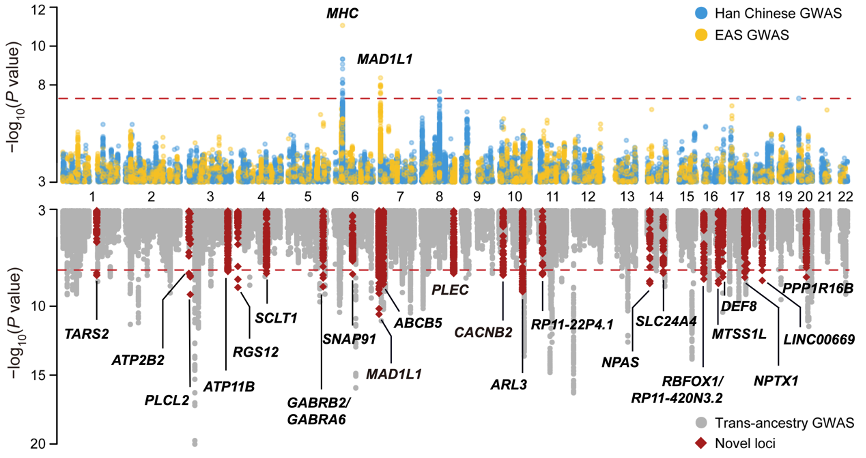 Unlocking Bipolar Disorder's Genetics: How Ancestral Diversity Are Paving the Way for Precision PsychiatryA research team led by Professors Li Ming and Xiao Xiao from the Kunming Institute of Zoology, Chinese Academy of Sciences, has published the largest genetic study of bipolar disorder (BD) across East Asian and European populations.Nov 26, 2025
 -
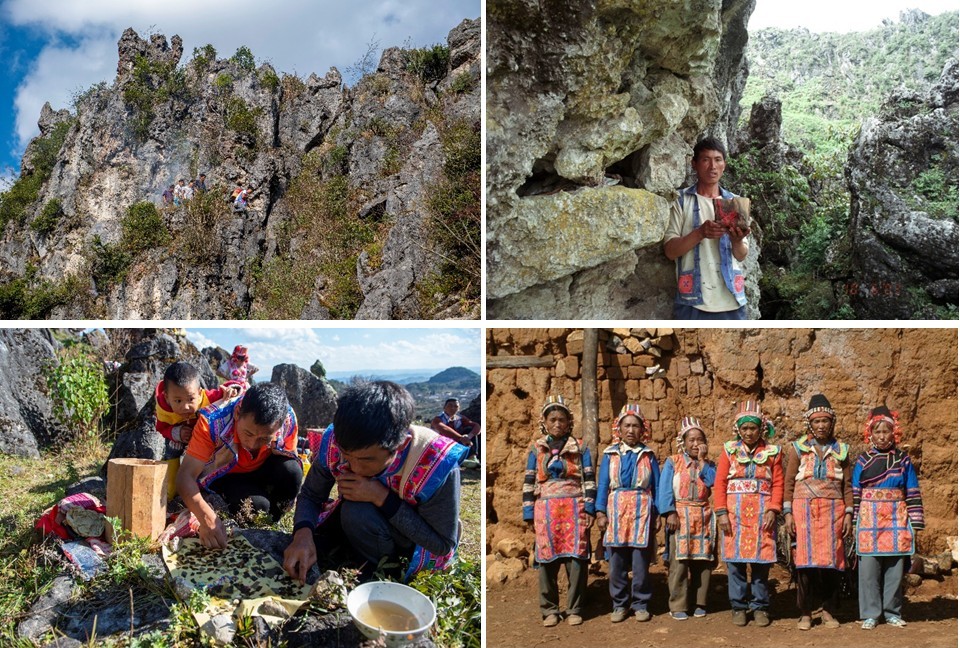 The Mystery of Hanging Coffins: Are Modern Bo People the Genetic Heirs of an Ancient Burial Tradition?A recent study published in Nature Communications reveals a direct genetic link between ancient practitioners of the Hanging Coffin burial tradition and the modern Bo people of Southwest China.Nov 21, 2025
 -
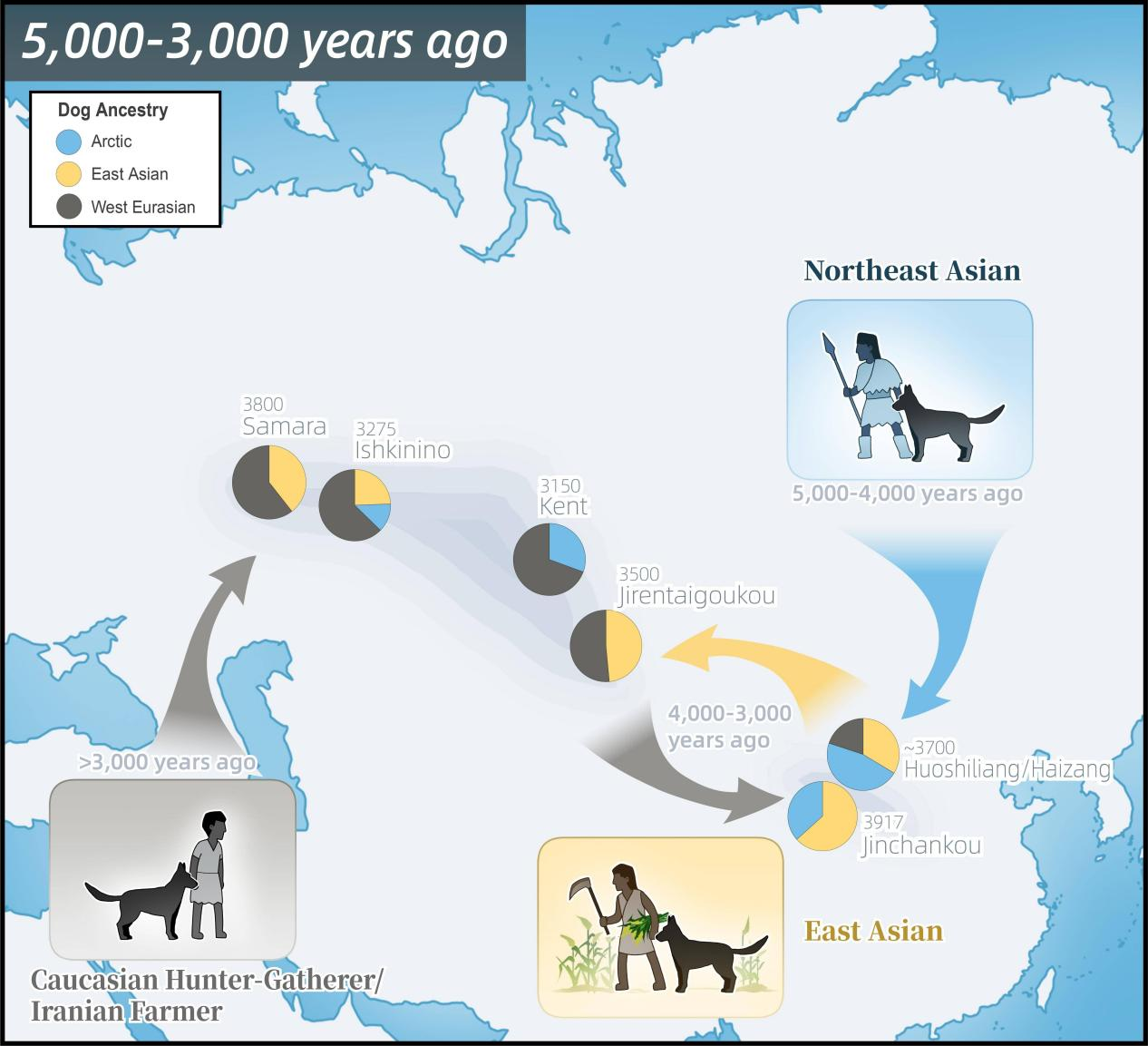 Genomic Study Reveals Co-dispersal of Dogs and Humans Across Eastern EurasiaThe study provides new insights into the parallel migration patterns of dogs and humans across Eastern Eurasia during the Holocene. Through analysis of 73 ancient dog genomes—including 17 newly sequenced specimens—the research demonstrates how canine ancestry shifts correlate with major human migrations over the past 10,000 years.Nov 14, 2025
 -
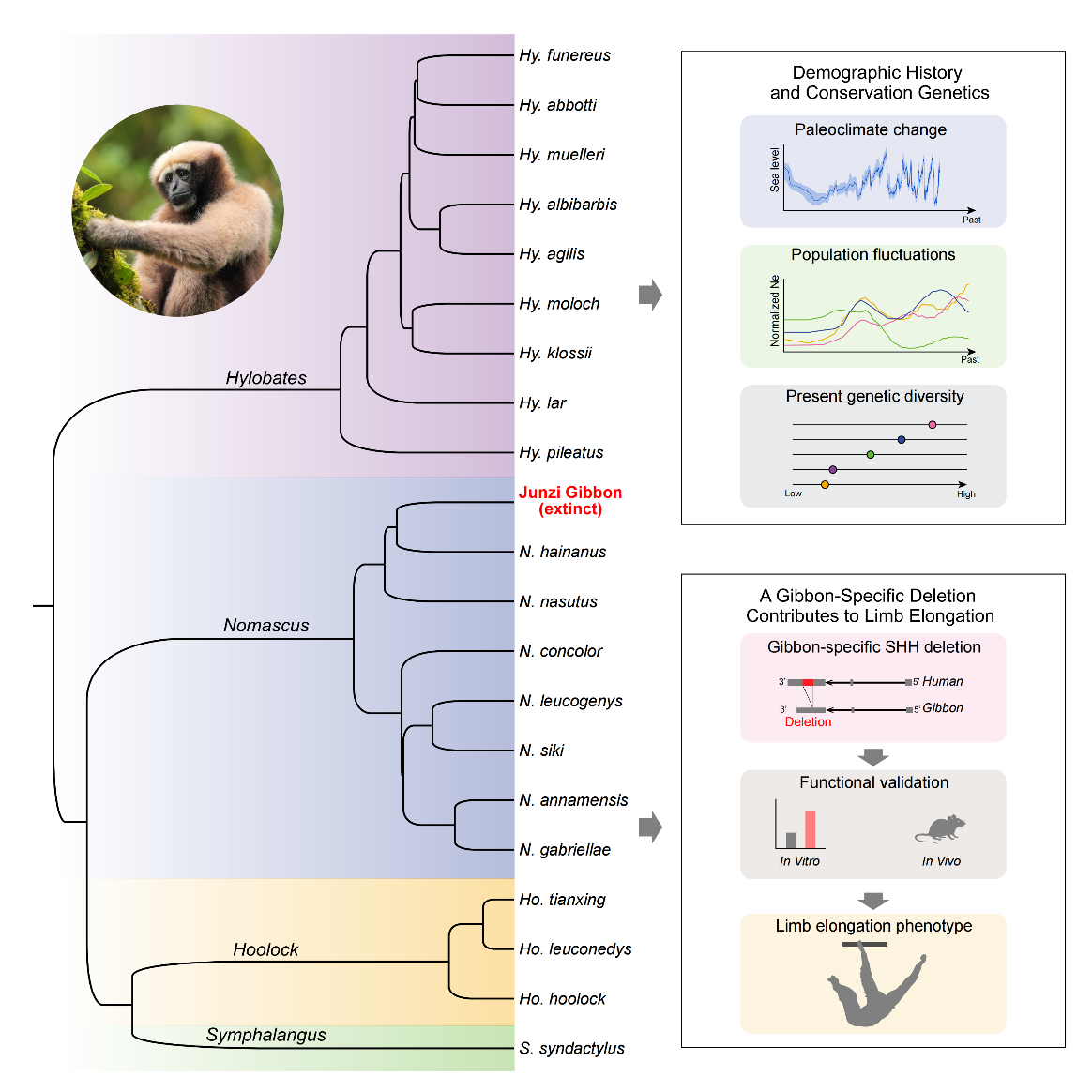 New Genomic Study Reveals Gibbon Evolutionary History and Informs Conservation StrategiesThe study presents extensive genomic resources, including chromosome-level reference genomes for all four genera and whole-genome resequencing of 18 extant species.Nov 13, 2025
 -
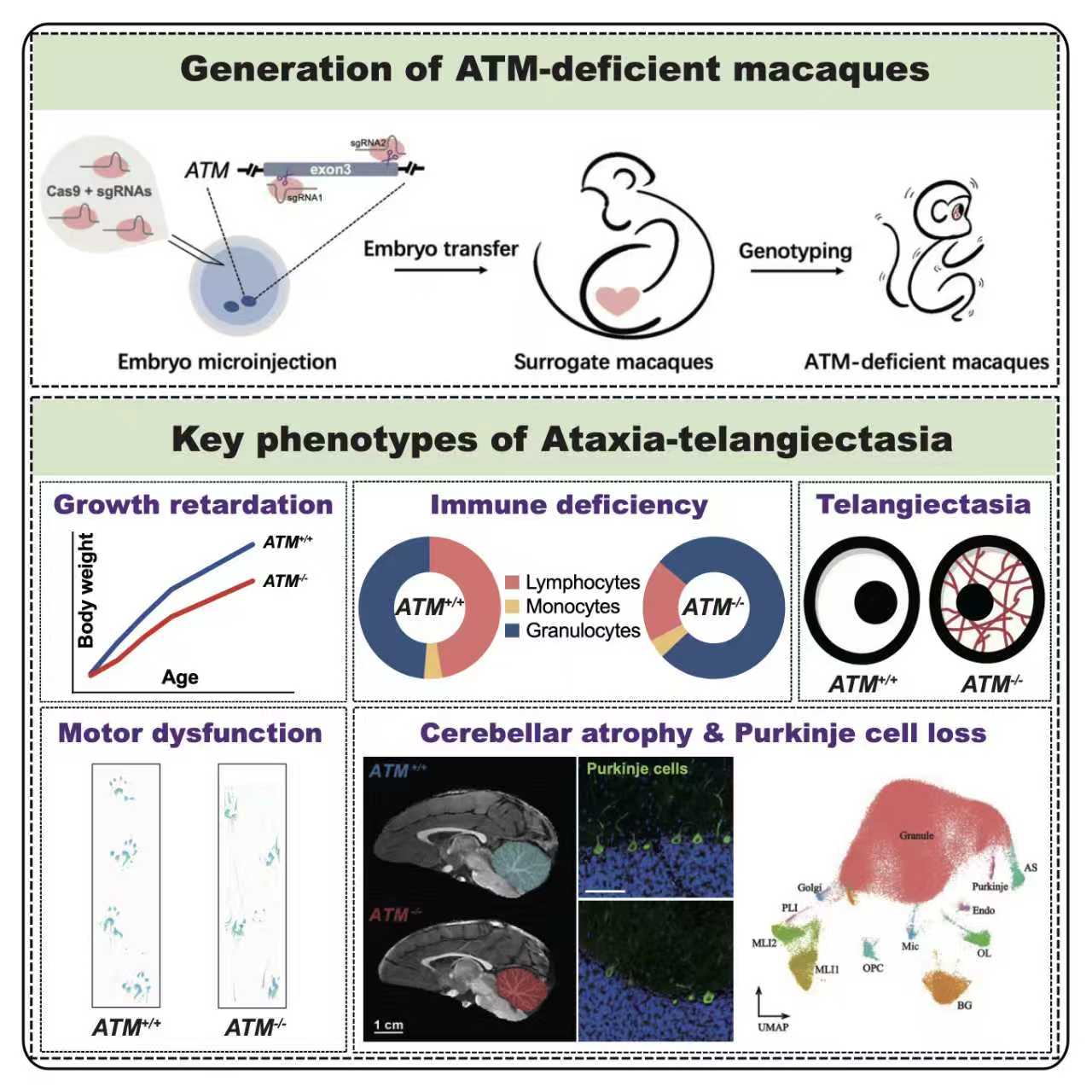 Kunming Institute of Zoology creates world’s first primate model of childhood neurodegenerative disease A-TThe research team at the Kunming Institute of Zoology, Chinese Academy of Sciences, has successfully created the first macaque model with an ATM gene defect using CRISPR-Cas9 gene editing technology. This model accurately replicates the core pathological features of human ataxia-telangiectasia (A-T), including cerebellar atrophy, loss of Purkinje cells, motor dysfunction, and immunodeficiency. This breakthrough provides a vital non-human primate research platform for in-depth study of the pathogenesis of A-T and the development of effective treatments.Sep 17, 2025
 -
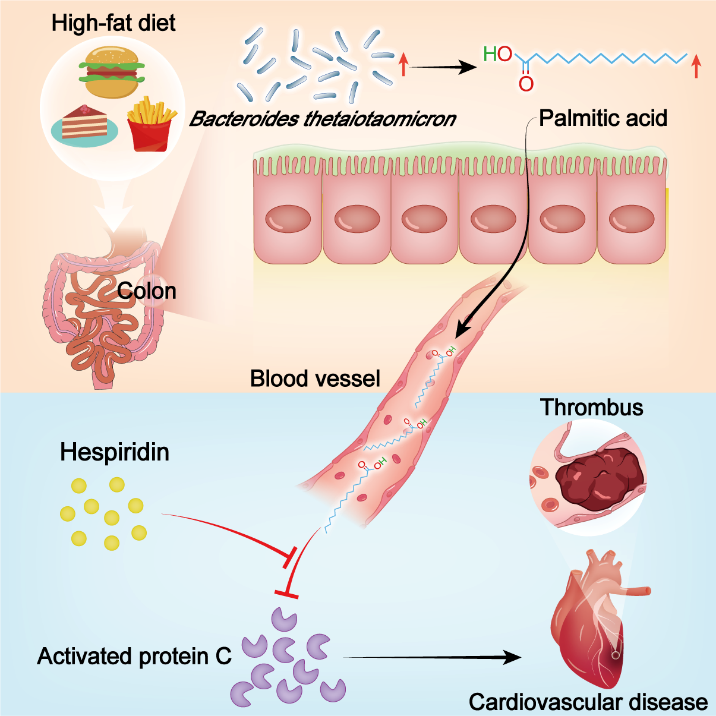 New Study Reveals the Mechanism of the High-fat diet-Gut Microbiota-Palmitic Acid Axis in ThrombosisHigh-fat diets are known to reshape the gut microbiome, yet their mechanistic link to thrombotic cardiovascular disease (CVD) remains unclear. Here, a joint team led by Prof. LAI Ren (Kunming Institute of Zoology, CAS) and Prof. NI Heyu (University of Toronto) identifies a “high-fat diet–gut microbe (BT strain)–palmitic acid (PA)” axis that drives thrombosis. In CVD patients, circulating PA and gut BT abundance were markedly elevated (≈2.18-fold versus healthy controls). Functional assays show that PA inhibits the anticoagulant protein APC and potentiates platelet activation. In mice, BT colonization increased plasma PA and induced a hypercoagulable state; this was abolished by the dietary flavonoid hesperidin, which blocks PA–APC interaction. Thus, the study uncovers a diet–microbiota–metabolite pathway that promotes CVD risk and offers a readily accessible nutritional intervention strategy. The work appears in Cell Reports Medicine.Aug 04, 2025
 -
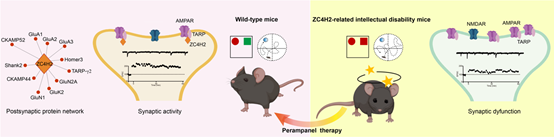 Breakthrough Study Reveals Key Mechanism Underlying ZC4H2-Associated Intellectual Disability and Potential Therapeutic TargetRecently, a groundbreaking study published in PNAS uncovers the critical role of the protein ZC4H2 in regulating synaptic activity and cognitive function, offering new hope for treating ZC4H2-associated rare disorder.Jul 21, 2025