Research Progress
-
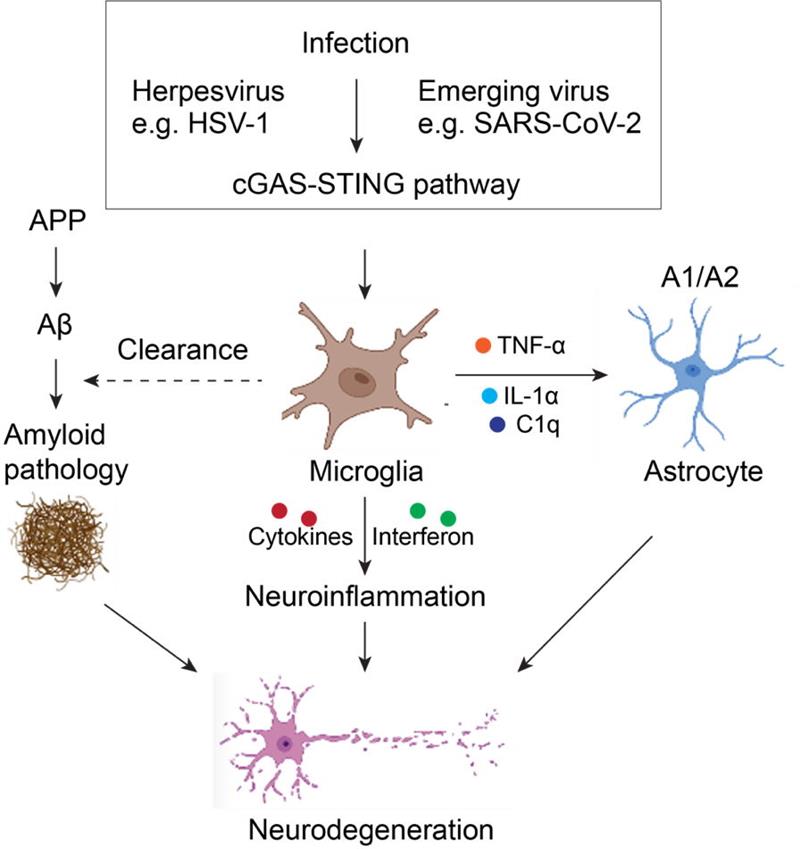 Researchers Uncover Neural Innate Immune Mechanism Underlying Neurodegeneration Induced by Pathogen InfectioncGAS senses microbial and host-derived double-stranded DNA (dsDNA) in cytoplasm to trigger cellular innate immune response in a STING-dependent manner. Here we demonstrated the detectable binding of the cGAS-dsDNA in cytoplasm and the activation of microglial cGAS-STING pathway in brains of human AD and aged mice. Cgas–/–;5×?FAD mice were largely protected from cognitive impairment, amyloid-β (Aβ) pathology, neuroinflammation and other sequelae associated with AD. Finally, administration of STING inhibitor H-151 potently suppressed the activation of the cGAS-STING pathway and ameliorated AD pathogenesis in 5×FAD mice. In conclusion, our present study has identified a critical molecular link between innate immunity and AD, and suggests that therapeutic targeting of the cGAS-STING pathway activity might effectively interfere with the progression of AD.Jan 09, 2023
 -
 Study reveals the genetic mechanism of adaptation to high-altitude UV radiation in Tibetan populationsQinghai-Tibetan Plateau represents one of the extreme environments for human habitation. Tibetans are the ideal population to study genetic adaptation to such extreme environment. Strong ultraviolet radiation at high altitude imposes a serious selective pressure, which may induce skin pigmentation adaptation of Tibetans. We conducted skin pigmentation phenotyping and genome-wide analysis of Tibetans to understand the underlying mechanism of adaptation to UV radiation. We observe that Tibetans have darker baseline skin color compared to lowland Han Chinese, as well as an improved tanning ability. The adaptive variant of GNPAT promotes melanin synthesis, likely through the interactions of CAT and ACAA1 in peroxisome with other pigmentation genes, leading to an improved tanning ability in Tibetans for UV protection.Sep 27, 2022
 -
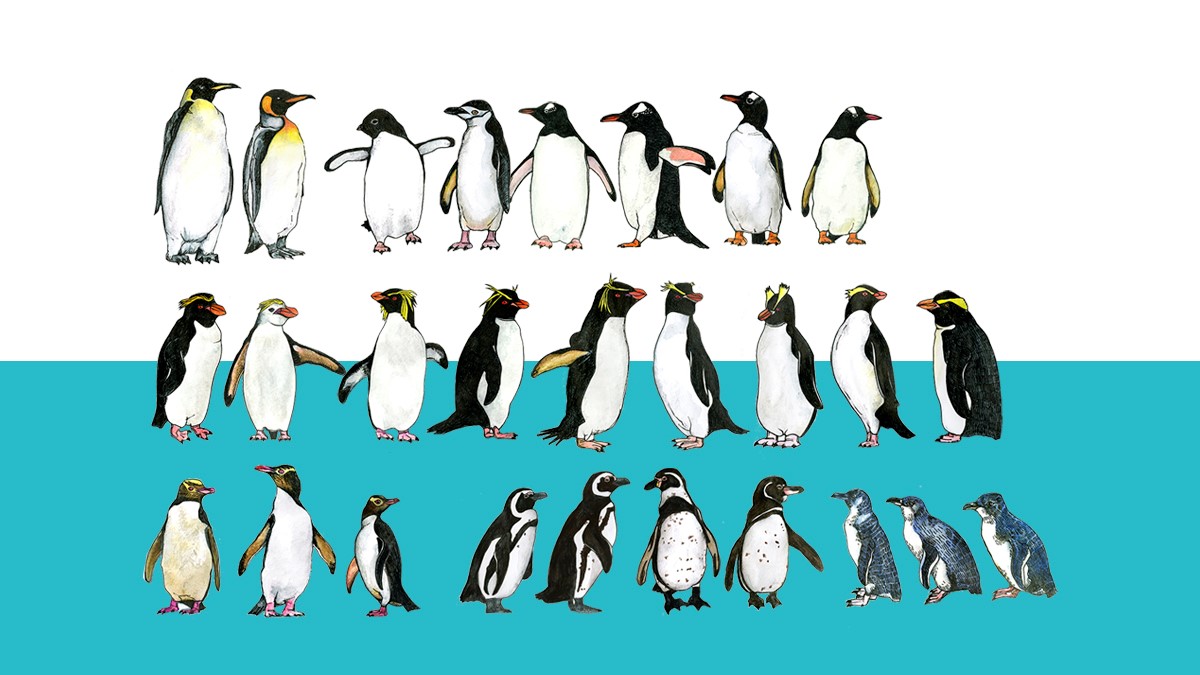 Genomes reveal 60 million years of penguin evolution to extreme-cold and marine environmentsA comprehensive study spanning all recent penguin taxa was undertaken to understand 60 million years of penguin evolutionary history, published in Nature communications on 19th July as a highlight story. Researchers identified key geological events and a suite of important genes that shaped penguin evolution, diversification and adaptation within the framework of a genome-scale, fossil-inclusive phylogeny. This study revolutionizes our understanding of penguins, which have evolved a suite of morphological, physiological and behavioral traits and sheds a new light on the evolutionary pathways that allowed some land animals to transition back into aquatic environments, particularly extremely cold ones such as the seas around Antarctica.Aug 02, 2022
 -
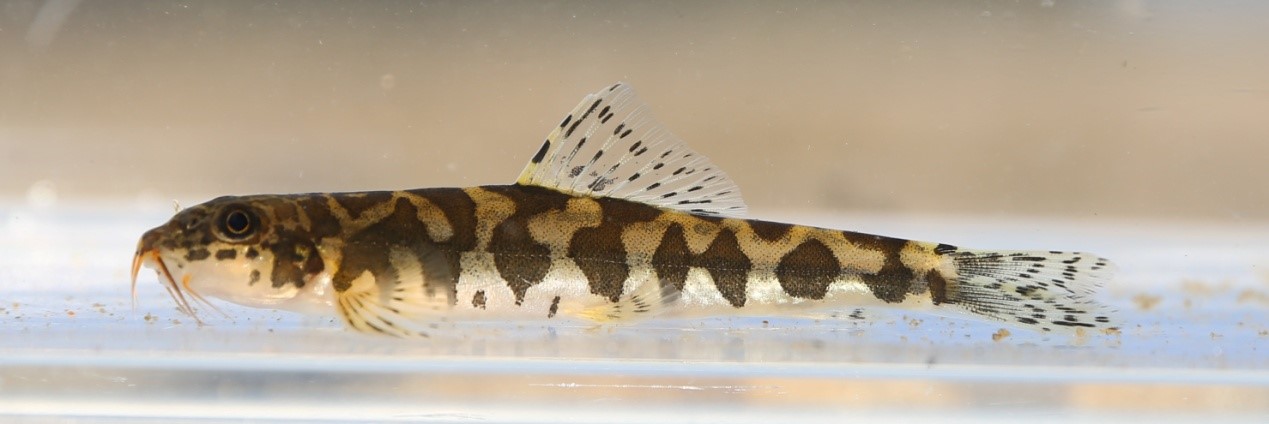 Chinese, Swiss and Myanmar researchers found a new species of Nemacheilidae fish in Putao, northern MyanmarMustura yangi, new species, is described from the upper Mali Hka River drainage, Irrawaddy River basin, in Putao District, Kachin State, Myanmar. It is distinguished from all other species of Mustura by a unique combination of the following characters: 6-7 dark grey bars on flank, often dissociated into a blotch and a saddle;numerous and irregular spots on the head; extremely dorsally situated eyes; well formed axillary pelvic lobe, prominent air-bladder with a minute posterior chamber in abdominal cavity; males with suborbital flap; lateral line complete; a slender caudal peduncle, its depth 1.6-1.9 times in its length, 8.6-10.1% SL; caudal fin forked;largest recorded size 56.0 mm SL.Aug 02, 2022
 -
Researchers Reveal How to Safely Manage Arsenal of Animal Venom GlandVenomous animals utilize venom glands to secrete and store powerful toxins for intraspecific and/or interspecific antagonistic interactions, implying that tissue-specific resistance is essential for venom glands to anatomically separate toxins from other tissues. Here, we show the mechanism of tissue-specific resistance in centipedes (Scolopendra subspinipes mutilans), where the splice variant of the receptor repels its own toxin. Unlike the well-known resistance mechanism by mutation in a given exon, we found that the KCNQ1 channel is highly expressed in the venom gland as a unique splice variant in which the pore domain and transmembrane domain six, partially encoded by exon 6 (rather than 7 as found in other tissues), contain eleven mutated residues.Jul 22, 2022
-
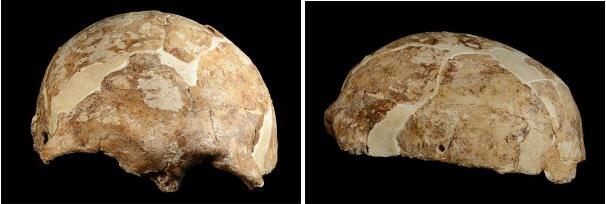 The first Late Pleistocene human DNA from southwestern China reveals Native Americans’ East Asian ancestrySouthern East Asia is the dispersal center regarding the prehistoric settlement and migrations of modern humans in Asia-Pacific regions. However, the settlement pattern and population structure of paleolithic humans in this region remain elusive, and ancient DNA can provide direct information. Here, we sequenced the genome of a Late Pleistocene hominin (MZR), dated ~14.0 thousand years ago from Red Deer Cave located in Southwest China, which was previously reported possessing mosaic features of modern and archaic hominins. MZR is the first Late Pleistocene genome from southern East Asia. Our results indicate that MZR is a modern human who represents an early diversified lineage in East Asia.Jul 15, 2022
 -
Chinese scientists sequence genome of 14,000-yr-old humanSouthern East Asia is the dispersal center regarding the prehistoric settlement and migrations of modern humans in Asia-Pacific regions. However, the settlement pattern and population structure of paleolithic humans in this region remain elusive, and ancient DNA can provide direct information. Here, we sequenced the genome of a Late Pleistocene hominin (MZR), dated ~14.0 thousand years ago from Red Deer Cave located in Southwest China, which was previously reported possessing mosaic features of modern and archaic hominins.Jul 15, 2022
-
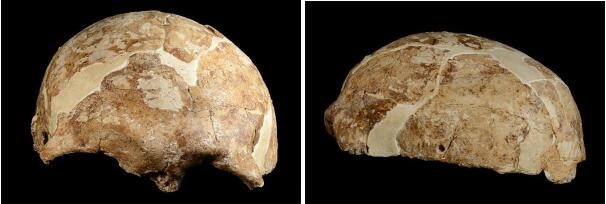 The first Late Pleistocene human DNA from southwestern China reveals Native Americans’ East Asian ancestrySouthern East Asia is the dispersal center regarding the prehistoric settlement and migrations of modern humans in Asia-Pacific regions. However, the settlement pattern and population structure of paleolithic humans in this region remain elusive, and ancient DNA can provide direct information. Here, we sequenced the genome of a Late Pleistocene hominin (MZR), dated ~14.0 thousand years ago from Red Deer Cave located in Southwest China, which was previously reported possessing mosaic features of modern and archaic hominins. MZR is the first Late Pleistocene genome from southern East Asia. Our results indicate that MZR is a modern human who represents an early diversified lineage in East Asia.Jul 15, 2022
 -
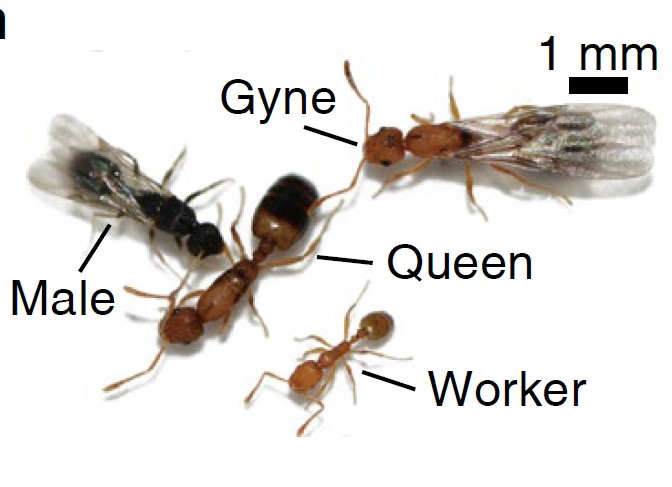 A single-cell transcriptomic atlas decrypts ant Empire:Social division of labor depends on brain specializationA major turning point in the evolution of animals was the emergence of social organization, which greatly improved the adaptability of animals. Today, we can still find a continuous series of patterns of social organization from simple to complex in different species. Among them, human society and social insects such as bees and ants are attracting the most attention.Jul 11, 2022
 -
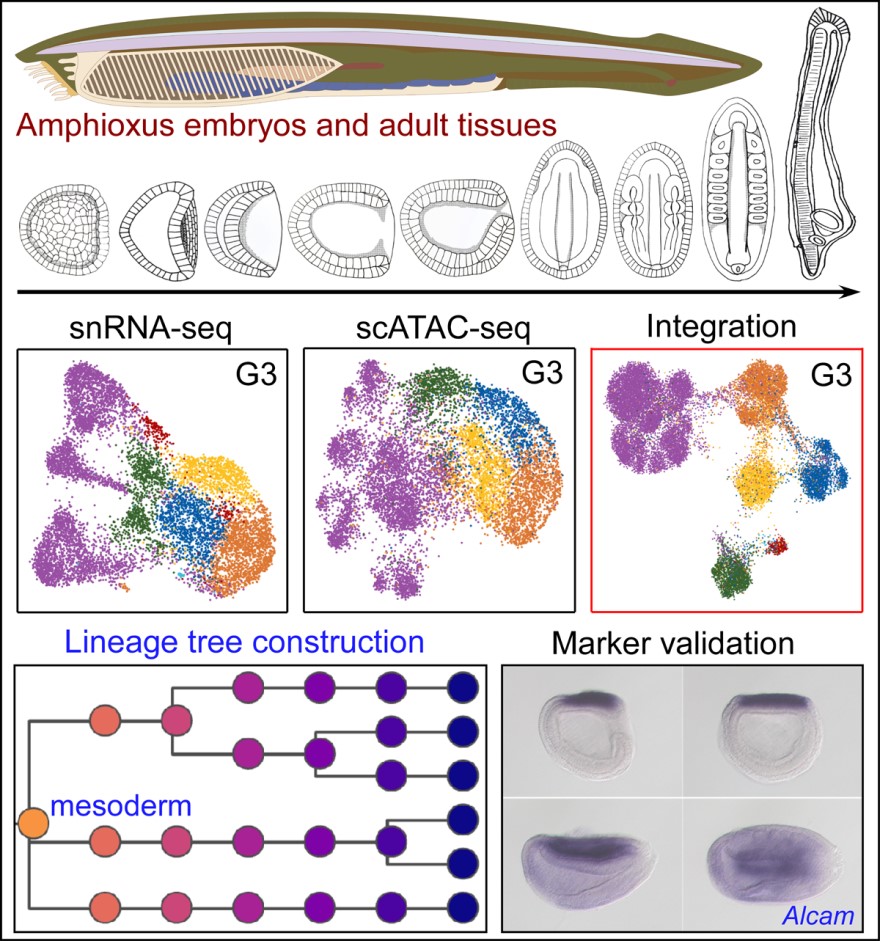 Amphioxus Sequencing Gives Insight on Vertebrate EvolutionSingle cell sequencing has been widely employed to construct the developmental cell atlas of several representative species of vertebrates (human, mouse, zebrafish and frog) and tunicate (sea squirts). Here, we performe single-nucleus RNA sequencing (snRNA-seq) and single-cell assay for transposase accessible chromatin sequencing (scATAC-seq) for different stages of amphioxus (covering embryogenesis and adult tissues). With the datasets generated, we constructed the developmental tree for amphioxus cell fate commitment and lineage specification, and characterize the underlying key regulators and genetic regulatory networks. The data are publicly available on an online platform, AmphioxusAtlas, at https://lifeomics.shinyapps.io/shinyappmulti/.Jun 23, 2022