
Research Progress
-
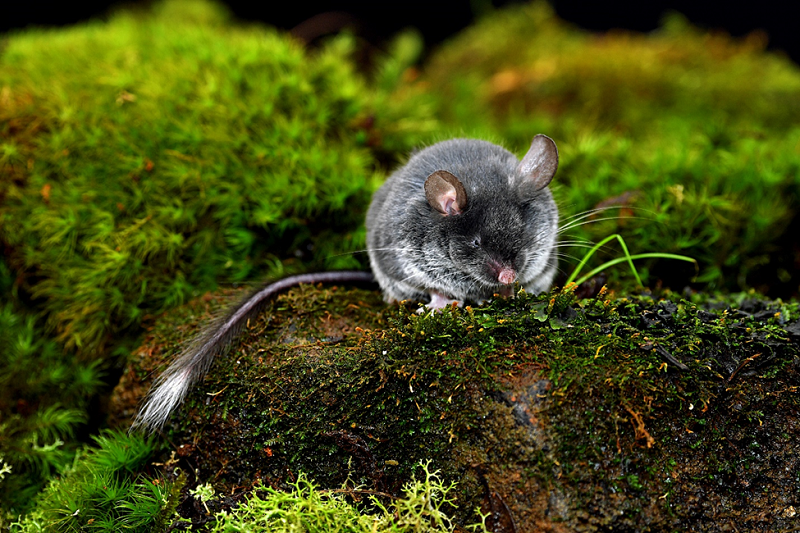 The Researchers Discover New Echolocating Mammalian LineageEcholocation is the use of reflected sound to sense features of the environment. Here, we show that softfurred tree mice (Typhlomys) echolocate based on multiple independent lines of evidence. Behavioral experiments show that these mice can locate and avoid obstacles in darkness using hearing and ultrasonic pulses. The proximal portion of their stylohyal bone fuses with the tympanic bone, a form previously only seen in laryngeally echolocating bats. Further, we found convergence of hearing-related genes across the genome and of the echolocation-related gene prestin between soft-furred tree mice and echolocating mammals. Together, our findings suggest that soft-furred tree mice are capable of echolocation, and thus are a new lineage of echolocating mammals.Jun 18, 2021
 -
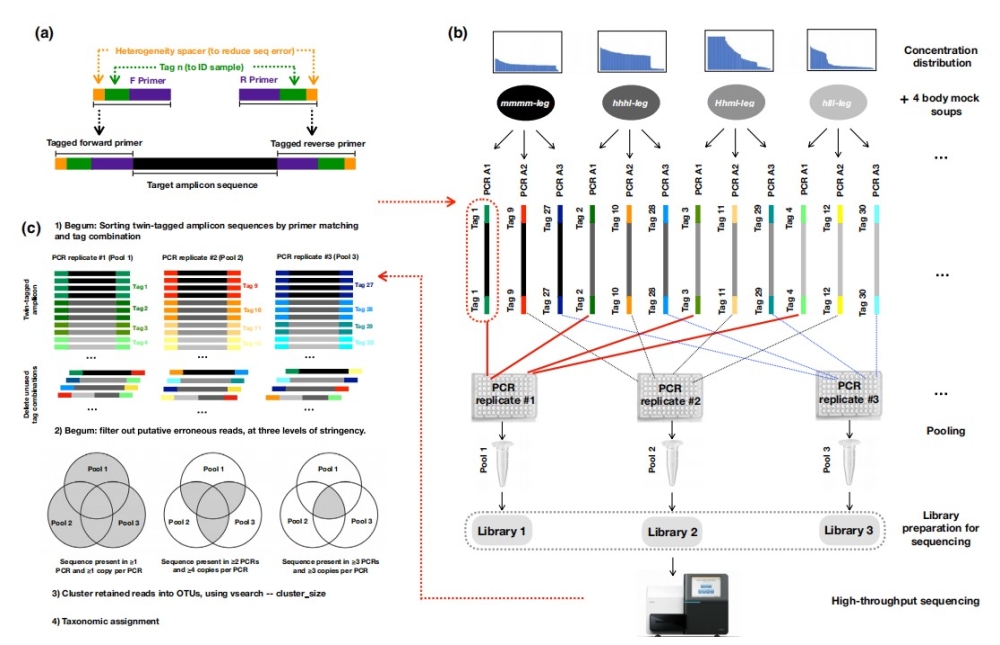 Researchers develop rapid monitoring methods of biodiversity: A bulk-sample metabarcoding pipeline emphasizing error reductionDespite widespread recognition of its great promise to aid decision-making in environmental management, the applied use of metabarcoding requires improvements to reduce the multiple errors that arise during PCR amplification, sequencing and library generation. This paper presents a co-designed wet-lab and bioinformatic workflow for metabarcoding bulk samples that removes both false-positive (tag jumps, chimeras, erroneous sequences) and false-negative (‘dropout’) errors. To aid learning, reproducibility, and the design and testing of alternative metabarcoding pipelines, the authors provide the Illumina and input-species sequence datasets, scripts, a spreadsheet for designing primer tags and a tutorial.Jun 04, 2021
 -
Researchers reveal main drivers for the endangerment of the green peafowl- a cultural icon in East and Southeast AsiaWith the green peafowl as a study case, this study entitled as "Population genomic, climatic and anthropogenic evidence suggest the role of human forces in endangerment of green peafowl (Pavo Muticus), highlights the strength of a multi-evidential approach based on genomic, climatic and anthropogenic data as well as historic records to examine main drivers for species endangerment, which could be easily extended to other species and to inform drivers under the contemporary species crisis.Apr 30, 2021
-
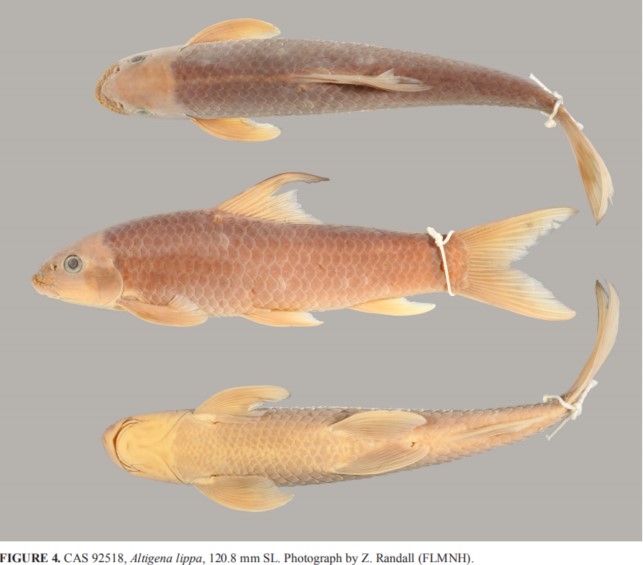 Scientists renew taxonomic revision of Altigena lippa and recover the validity of A. laticepsAltigena laticeps, previously considered a junior synonym of A. lippa, is revalidated and re-described based on morphological examinations of type and non-type material. This species, found in the Upper Mekong River basin in China, can be distinguished from A. lippa based on higher numbers of lateral-line scales (40–42 vs. 34–39), predorsal scales (14–16 vs. 9–12), and circumpeduncular scales (20 vs. 16). Altigena lippa, from the Lower Mekong River basin in Lao PDR, Myanmar, Thailand, and Vietnam is also re-described. Four species of Altigena are herein recognized in the Mekong River basin: A. elegans, A. laticeps, A. lippa, and A. yunnanensis.Apr 22, 2021
 -
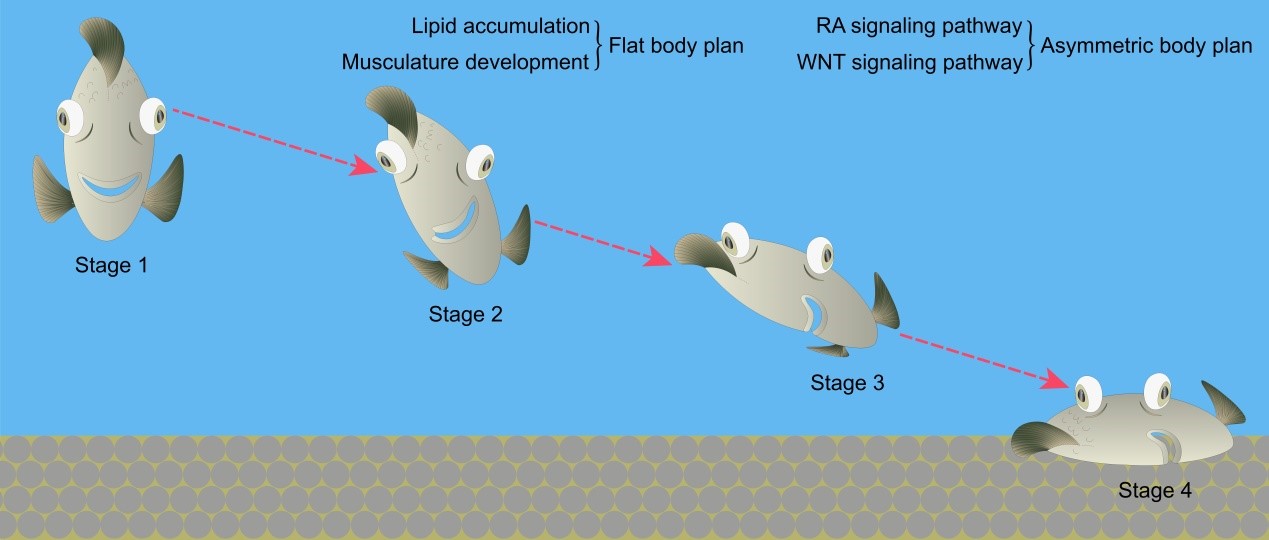 Researchers Solve Puzzles of Origin and Formation of the Specialized Body Plan in FlatfishesThe evolutionary and genetic origins of the specialized body plan of flatfish are largely unclear. Researchers unraveled the evolutionary and genetic origins of the specialized body plan of flatfish through comparative genomic analyses. The research provides valuable resources and insights for understanding the genetic origins of the unusual body plan of flatfishes.Apr 21, 2021
 -
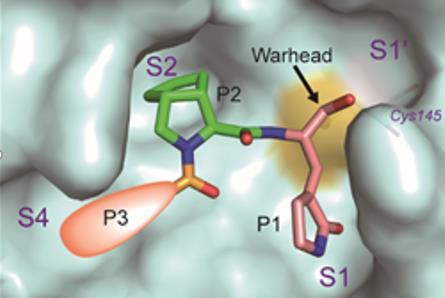 Scientists Developed Small Molecular Inhibitor of SARS-CoV-2The main protease (Mpro) plays a critical role in SARS-CoV-2 replication. Based on two approved anti-HCV drugs, telaprevir and boceprevir, researchers designed and synthesized 32 new bicycloproline-containing SARS-CoV-2 Mpro inhibitors. The analysis about the co-crystal structure of Mpro with MI-23, which showed the strongest anti-SARS-CoV-2 activity, suggests that the compound design is consistent with their expectation. Two compounds, MI-09 and MI-30, were selected for in vivo evaluation based on their good performance in cellular anti-SARS-CoV-2 activity as well as pharmacokinetic properties and safety in rats. Oral or intraperitoneal treatment with MI-09 or MI-30 significantly reduced viral loads, lesions and immune cell infiltration in the lung of a SARS-CoV-2 infection mouse model.Feb 26, 2021
 -
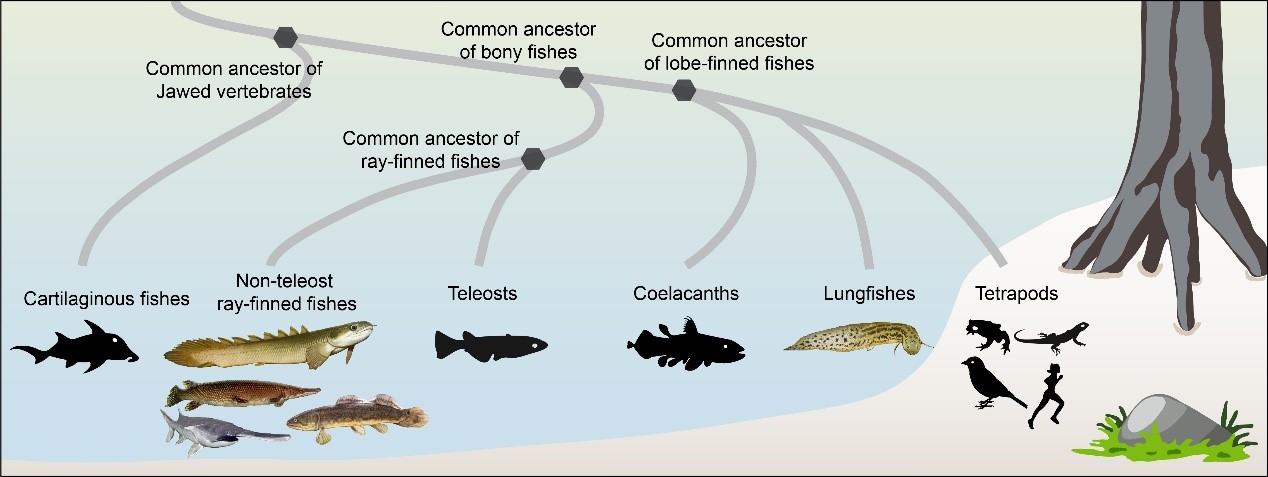 Researchers Solve the Puzzle of Water-to-Land Transition of VertebratesResearchers unravel the mystery of water-to-land transition of vertebrates by investigating the genomes of African lungfish, bichir, paddlefish, bowfin and alligator gar. The research results are of milestone significance for understanding the evolution mechanism and process of vertebrates from water to land.Feb 26, 2021
 -
 Brain 3D Genome Study Uncovers Human-specific Regulatory Changes During DevelopmentThe research team constructed a high-resolution Hi-C map of macaque fetal brain. Through cross-species 3D genome analyses, they identify human-specific chromatin structure changes. They find that the subplate lamina shows human-specific regulatory changes during corticogenesis, and the human-specific loop regulating the EPHA7 gene affects neuron dendrite development.Jan 25, 2021