Research Progress
KIZ Team Develops Tree Shrew Model Replicating Parkinson's Disease Core Features via DJ-1 Knockout
In a study published in Cell Death and Disease on August 29, 2026, a team led by Hu Xintian and Mao Bingyu from the Kunming Institute of Zoology (KIZ) of the Chinese Academy of Sciences, along with collaborators from Kunming Medical University First Affiliated Hospital, developed a tree shrew model of Parkinson's disease by knocking out the DJ-1 gene in the substantia nigra.
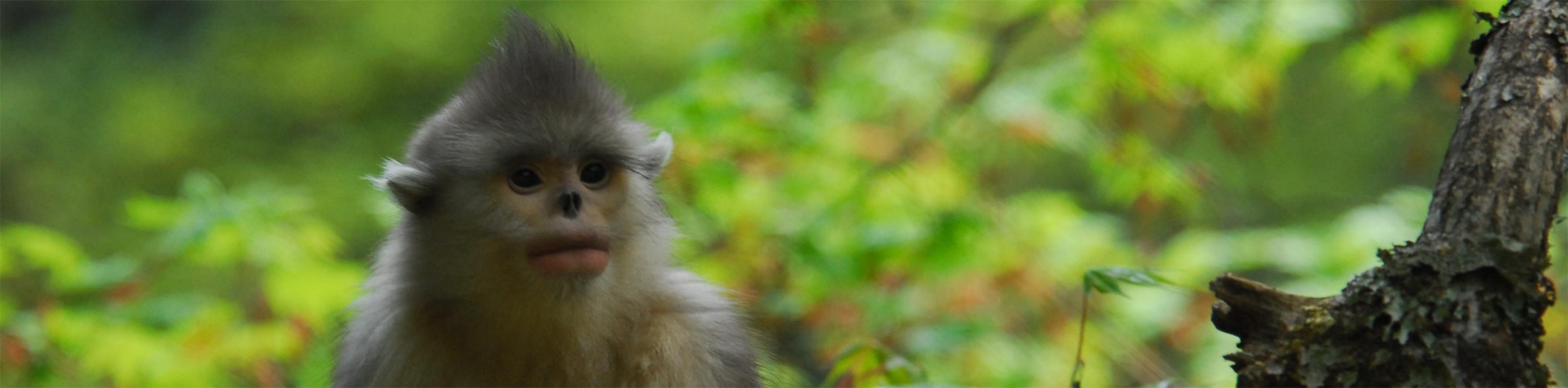
DJ-1 loss-of-function mutations were identified in 2003 as a Parkinson's disease risk gene in Dutch and Italian families. However, DJ-1 knockout mice failed to develop typical Parkinson's symptoms, leaving the causal relationship uncertain. The researchers chose tree shrews because they possess a caudate-putamen structure similar to humans and primates, substantia nigra neurons comparable in size to primates, and complex three-dimensional motor patterns.
The researchers used AAV-CRISPR/Cas9 in situ gene editing to knock out DJ-1 in the bilateral substantia nigra of tree shrews. Four of five knockout tree shrews developed typical Parkinson's symptoms over 8 months, including resting tremor, bradykinesia, gait abnormalities, and postural instability, with Parkinson's scores of 8 to 12. Levodopa relieved these symptoms, consistent with the clinical gold standard.
The researchers showed that knockout tree shrews had over 60 percent substantia nigra dopaminergic neuron loss and aggregation of pS129-alphaSyn, a key marker of Lewy pathology. One tree shrew did not develop symptoms despite identical editing, with 85 percent transduction, approximately 40 percent DJ-1 reduction, 94 percent neuron survival, and no pS129-alphaSyn aggregation.
The researchers proposed a "pathological switch" model in which DJ-1 knockout triggers Parkinson's disease only when pS129-alphaSyn aggregation occurs; without it, neurons survive. This is the first animal model fully replicating Parkinson's disease core features via DJ-1 knockout.
This model provides a cost-effective platform for screening early biomarkers and intervention targets for Parkinson's disease.
Paper link: https://www.nature.com/articles/s41419-026-09139-5